Episodes

TRAILER

From Loss to Purpose: The Origin of The HumanWare Project

What happens when personal loss transforms into a mission for health and longevity?

In this deeply personal episode, Méline Liu shares the story of her grandmother and the moment that ignited her purpose and became the seed for The HumanWare Project.

Through grief, reflection, and discovery, Méline found a calling: to explore how science, health, and philosophy can guide us toward living with greater vitality and meaning.

EPISODE 96

Inside a Nobel Prize Winner’s Lab Where Microscopes Meet AI

Most microscopes have a limit to what they can show us. Eric Betzig helped to break that limit, and won a Nobel Prize in the process.

In this episode, Méline goes behind the scenes at Eric’s lab at UC Berkeley. Eric is a physicist and a winner of the 2014 Nobel Prize in Chemistry. He shows her a microscope built to look inside transparent zebrafish, where blood cells can be seen flowing through capillaries live. He explains why he believes most biology is done on the wrong cells. He also explains how his Cell Observatory initiative is using AI to understand life as a whole system rather than a collection of parts. Along the way, Méline sees the first microscope Eric designed for Eikon Therapeutics, and a view inside the eye of a living fish.

He explains:

Why studying cultured cells on glass can tell us little about what happens inside a living body  Why zebrafish are used to understand human biology
How the lab is pushing microscopes to capture data faster than ever before
Why AI and computing power are the next bottleneck in biology
Why he believes observation, not hallucination, is the way forward

EPISODE 95

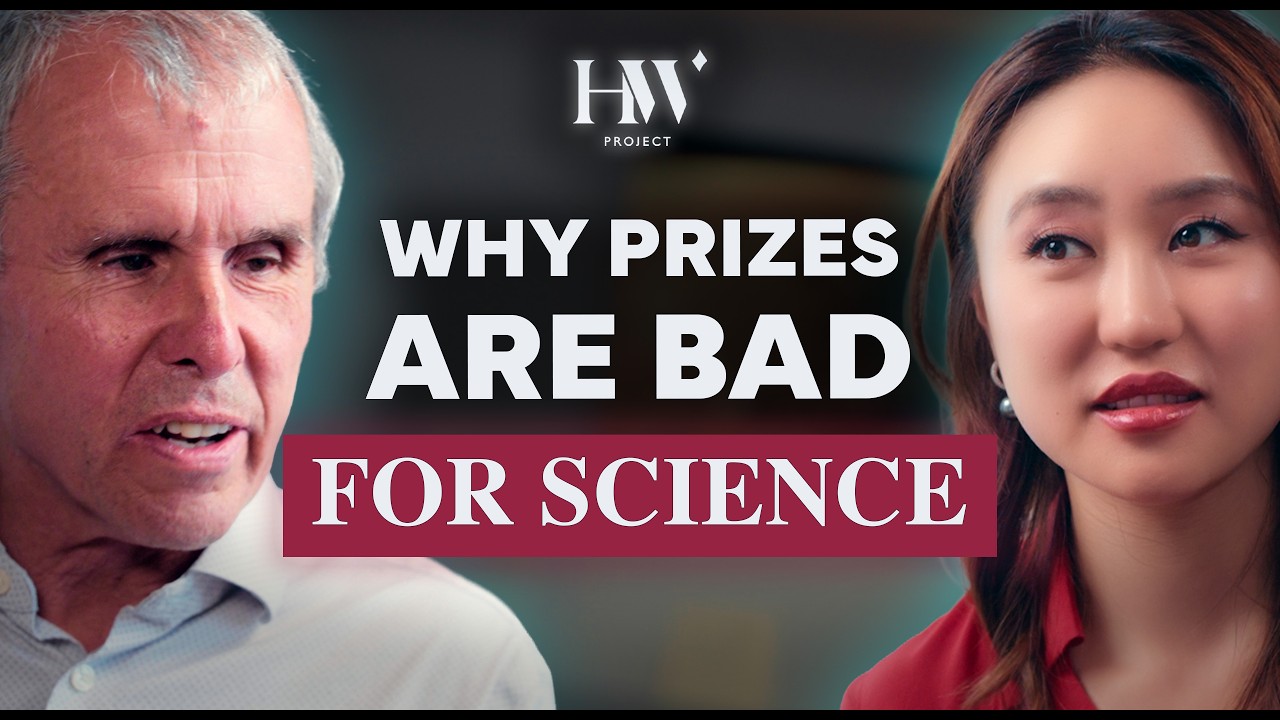
He Quit Science, Then Won a Nobel Prize With a Microscope Built on a Living Room Floor

Eric Betzig once walked away from science altogether. Years later, he and his best friend put $25,000 each of their own money into building a microscope on a living room floor, and it won him the Nobel Prize.

In this episode, Méline sits down with Eric in his office. Eric is a physicist, a winner of the 2014 Nobel Prize in Chemistry for super-resolved fluorescence microscopy, and a Professor at UC Berkeley. He talks about his years at Bell Labs, the frustration that led him to quit, and the glowing jellyfish protein that pulled him back.

He tells the story of building PALM with Harald Hess, a microscope that can see beyond the limit of light. He also explains why he believes biology is stuck. Life, he argues, can only be understood by watching it live, and we now have more imaging data than any human can interpret. The next breakthrough will need AI that can think in five dimensions.

He explains:
Why we understand neutron stars better than what is happening inside our own cells
How a microscope built on a living room floor led to a Nobel Prize
Why AI drug discovery based on protein sequences alone will get nowhere
What 5D imaging means and why we need AI that can think in five dimensions
What Bell Labs got right about small teams, hard work and limited resources
Why he believes prizes are corrosive to science

EPISODE 94

Trying Tropical Fruits in Hainan, China (Ranked Out of 10)

What if some of the best health and longevity secrets are not found in laboratories or supplements, but growing on trees right in front of us?

In this episode, Méline travels to Hainan, China’s tropical island, with her friend Dhinil to taste fruits rarely seen in London. They rate each one as they go. First, Méline meets Chen Ge, a farmer whose organic fruit and vegetables have built a loyal following. He shares what he believes separates naturally grown produce from what we buy in the shops.

Chen Ge explains:
Why a shiny surface on fruit can be a sign of wax or preservatives
How bananas can be chemically ripened overnight
How to tell organically grown vegetables from those grown with chemical fertiliser

His simple advice for a healthy life: eat green, keep a good mindset and move occasionally On the tasting table:
Rambutan and longan, close cousins of the lychee
The canistel, also known as the egg fruit
Star fruit, which tastes like a fruit and a vegetable at once
A purple-fleshed surprise that won over both tasters

EPISODE 93

Healthy Tomato Soup Recipe From a Top California Health Retreat

At Golden Door, one of America’s best-known health retreats, guests are served a light tomato broth in the middle of the day, after a morning of hard work and before lunch at one o’clock. It looks simple, but there is a lot of thinking behind it.

In this episode, Méline visits Golden Door in California and speaks to Executive Chef Greg Frey Jr about how the soup is made and why it works. The broth is built from filtered water and crushed tomatoes, then steeped for about an hour with the trimmings and peelings of the season’s vegetables. Each guest then finishes it their own way with chilli flake, ground oats, flaxseed and the kitchen’s golden powder. Back in London, Méline has a go at recreating Greg’s soup at home.

Potassium Broth full recipe: https://thehumanwareproject.com/cooki…

Greg explains:
Why vegetable trimmings and peelings are the secret to the broth
How soluble and insoluble fibre help you feel satiated until lunch
Why he says tomatoes are a better source of potassium than bananas or coconut water
What the chilli, oats, flaxseed and golden powder each add
Why the soup is kept as a light broth

EPISODE 92

Humanoid Robots Are Years Away. These Robots Are Ready Now

Everyone is waiting for humanoid robots to walk into their homes and take over the chores. According to George Ekas, that moment is still a few years away. Meanwhile, the robots that will change how we work are already here, and they walk on four legs.

George Ekas is the Co-Founder and Chief Technology Officer (CTO) at Toborlife AI, a Mountain View robotics company and North American distributor for Unitree Robotics. He leads the team building Toborlife’s teleoperation and training pipeline. It is designed so businesses can teach robots new tasks without needing to be robotics software engineers.

In this conversation, filmed on our return visit to Toborlife AI four months after our first, George introduces the brand new Unitree A2 quadruped. He explains why most people misjudge how far along robots really are, and he sets out the three phases he believes will take us from research labs to robots in every home and factory.

He explains:
Why autonomous humanoid robots in the home are still a few years away
What the Unitree A2 can already do, from security patrols to carrying loads across construction sites
Why we build robots in the shape of dogs and in the shape of humans
The two machine learning paradigms teaching robots to walk and to use their hands
The three phases of the robot revolution and why we are now entering the second
Why customers want robots to do jobs better, not just to make labour cheaper
How an ageing population and his own grandparents inspire his work

EPISODE 91

60 Seconds With a Longevity Doctor: The One Biomarker You Should Test and Habits That Matter Most

Dr. Ángel Durántez Prados, is the Partner and Medical Director at Clinica Neleva in Madrid, one of Europe’s leading longevity and preventive health clinics.

In this 60 seconds, he shares the single most important treatment for your health, the one biomarker he would test first, and the two daily habits he never skips.

He explains:
Why the most powerful treatment for your health has nothing to do with medicine
The lipid panel biomarker that gives you the clearest window into your cardiovascular health  Why sleep and exercise are the two non-negotiables for longevity

EPISODE 90

Paris Fashion Week and the Question Nobody in Fashion Asks: Does What You Wear Define Who You Are

Méline heads to Paris Fashion Week to ask a question the fashion industry rarely stops to consider: does what you wear define who you are, or does who you are define what you wear?

Joined by Alyne Hansen Damm, a fashion and luxury consultant with 27 years of experience working with some of the world’s most prestigious brands, Méline attends four couture shows including George Hobeika, Rahul Mishra, Standing Ground and ArdAzAei Show, before sitting down with Alyne to explore the deeper connection between style, identity, confidence and wellbeing.

Alyne also shares what 27 years at the highest level of luxury taught her about kindness, authenticity and why your reputation will always travel faster than your CV.

She explains:
Why dressing for the corporate world as a woman is still one of the hardest things to navigate  How wellness and longevity are quietly reshaping the luxury fashion industry
Why fashion is not about what you buy but the emotion it triggers in you
What Elsa Schiaparelli’s collaborations with Dalí and Picasso teach us about authentic creative relationships
Why kindness is the most important quality you can bring to any industry
How to build a wardrobe that empowers you rather than defines you
Why reputation travels faster than your CV and what that means for your career

EPISODE 89

How to Live Past 100 in Good Health According to a Longevity Doctor in Europe's Longest Living City

What does it actually take to live well past 100? Javier Ramírez Sabau, founder of Clínica Neleva in Madrid, one of Europe’s leading longevity clinics, says the answer is simpler and more powerful than most people expect.

In this short, Javier shares the three things that matter most for longevity, why healthspan matters far more than lifespan, and the one thing he says is more important than any diet, supplement, or biomarker test.

He explains:
Why the goal is not living longer but living better for longer
Why a positive mindset is the single most important factor in health
How optimising your biomarkers delays the effects of ageing
Why living in better health quality will naturally take you well above 100

EPISODE 88

How to Stop Overthinking at Night: A Hypnotherapist Explains What Actually Works

Malminder Gill has been a hypnotherapist for over 16 years. She has worked in rehab centres around the world, written a book of therapeutic sleep stories, and built an entire practice from word of mouth alone. When it comes to overthinking and sleep, she speaks from personal experience: at 18, she suffered a year of insomnia following a car accident and found a solution in hypnotherapy.

In this conversation, Méline sits down with Malminder to explore what hypnotherapy actually is, how the subconscious mind controls far more of your behaviour than you think, and why your brain is already entering trance states multiple times a day without you realising it. Malminder also reveals the one technique you can practise at home tonight to finally quiet a racing mind, and explains why the AI therapy chatbot she tried left her with more questions than answers.

She explains:
Why your subconscious mind controls far more of your behaviour than you think
How scrolling Instagram puts your brain into the exact same state as clinical hypnotherapy
Why it is the emotion attached to a memory, not the memory itself, that keeps you stuck
The ethical grey area around using hypnotherapy to recover forgotten memories
Why AI therapy always validated her and why that is a serious problem
The room visualisation technique you can practise tonight to quiet a racing mind
Why bad memories make your life smaller and what hypnotherapy actually does about it

EPISODE 87

88% of People Who Think They Are Healthy Already Have Heart Disease. Here Is What to Do About It

Bill Kapp is a former orthopaedic surgeon who built nine hospitals, founded Fountain Life alongside Peter Diamandis and Tony Robbins, voted the number one longevity centre in the world by the Buck Institute.

He started Fountain Life because of one devastating realisation: the American healthcare system is designed to treat disease, not prevent it. And by the time most people find out they are sick, it is already too late.

In this conversation, Bill reveals why 88% of Fountain Life members who consider themselves healthy already show signs of cardiac disease, why the United States spends $5.3 trillion on healthcare and still ranks 64th in longevity, and what his mother’s death from stage four ovarian cancer taught him about the cost of waiting for symptoms.

He also explains why early detection could lower healthcare costs by 70%, why GLP-1 drugs are the first true longevity medication, and the two things he says will do more for your long-term health than almost anything else.

He explains:
How Fountain Life collects 240GB of data about your body and turns it into an action plan in under five minutes using AI
Why 60% of US bankruptcies are caused by medical debt and how preventive care fixes that
The 12 hallmarks of ageing and which ones you can actually change right now
Why GLP-1 drugs like Ozempic may be the first true class of longevity medication
Why women should be on hormone replacement for life, not just ten years
The two daily habits that protect your long-term health more than anything else: muscle mass and sleep

EPISODE 86

Peter Diamandis: How to Reverse Ageing and Live Longer Than You Think Is Possible

Peter Diamandis is one of the world’s leading voices on longevity, exponential technology, and the future of human health. He is the founder of XPRIZE, co-founder of Singularity University, and the founder of Fountain Life, an advanced health and longevity centre that collects 200GB of data about your body in a single day to find what conventional medicine misses entirely.

In this conversation, Peter shares why medicine is about to undergo the most dramatic transformation in human history, why longevity escape velocity is coming by 2033, and why most people know more about what is happening inside their car than inside their own body. He also reveals the daily habits that keep him performing at the highest level and why optimism is itself a longevity tool backed by science.

He explains:
Why the body is incredibly good at hiding disease until it is too late
How Fountain Life collects 200GB of data about your body in a single day
Why a bowhead whale living 200 years convinced him ageing was a solvable problem
Ray Kurzweil’s prediction that longevity escape velocity will arrive by 2033
Why optimists live 15% longer according to a study in the National Academy of Sciences
The two most important days in your life according to Mark Twain and why purpose is everything
The simple daily habits he swears by: sleep, exercise and eliminating sugar

EPISODE 85

Edition Three of The HumanWare Magazine Has Launched: A Message From Founder Méline Liu

The HumanWare Project magazine edition three has launched.

Méline Liu shares what the project stands for and why she built it: to tell the story of science at the highest production quality in the world, and to help people become a better version of themselves every day.

EPISODE 84

Nobel Laureate Robert Lefkowitz: Intuition, Loss and the Discovery That Changed Modern Medicine

Professor Robert Lefkowitz is a Nobel Prize-winning scientist whose discovery of G protein-coupled receptors underpins more than 700 of the drugs in use today, including beta blockers, antihistamines, antidepressants and GLP-1 medications like Ozempic.

At 83 years young, he still runs his lab at Duke University, exercises an hour every day, and eats entirely plant-based food after quadruple bypass surgery at 51.

In this deeply personal conversation, Professor Lefkowitz takes Méline through the science that changed modern medicine, the role of intuition in research, and the father who gave him the most important piece of advice he ever received and died three weeks later, never knowing what his son would go on to achieve.

He explains:
How G protein-coupled receptors work and why they are the foundation of modern pharmacology
Why a third of all FDA-approved drugs work through the same system he discovered in the 1970s
How GLP-1 drugs like Ozempic actually work and why we are only at the beginning
Why intuition is the only thing that keeps a scientist going when experiments fail for years
The two things he says are all that really matter in a life: love and work
What he hopes to see breakthroughs in before he dies: cancer and dementia
The advice his mentor gave him that he still lives by: five year packages, never more

EPISODE 83

60 Seconds With the Couture Founder Bringing 1950s Craftsmanship Back to Everyday Life

Stacey Gallello is the founder of Gallello Atelier, a couture house built on a radical idea: that the craft of the 1950s couture atelier belongs not just in evening wear and special occasions, but in everyday life.

Gallello Atelier is on a mission to bring couture craftsmanship back to the modern wardrobe and keep the art of the couturier, the tailor, and the seamstress alive in the process.

In this episode, Méline speaks with Stacey inside Harrods to talk creativity, identity, and the daily habits that keep her performing at the highest level as both a founder and a mother of two.

She explains:
Why couture belongs in the everyday wardrobe, not just on the red carpet
How maintaining her routine through pregnancy kept her identity and creativity intact
Why intermittent fasting, grass-fed beef, and local farm produce are central to her daily life  How old films are her number one source of creative inspiration
Why spending time with family is the most powerful investment she makes in herself

EPISODE 82

The Company Using the Science of Smell to Change the Way You Sleep and Live

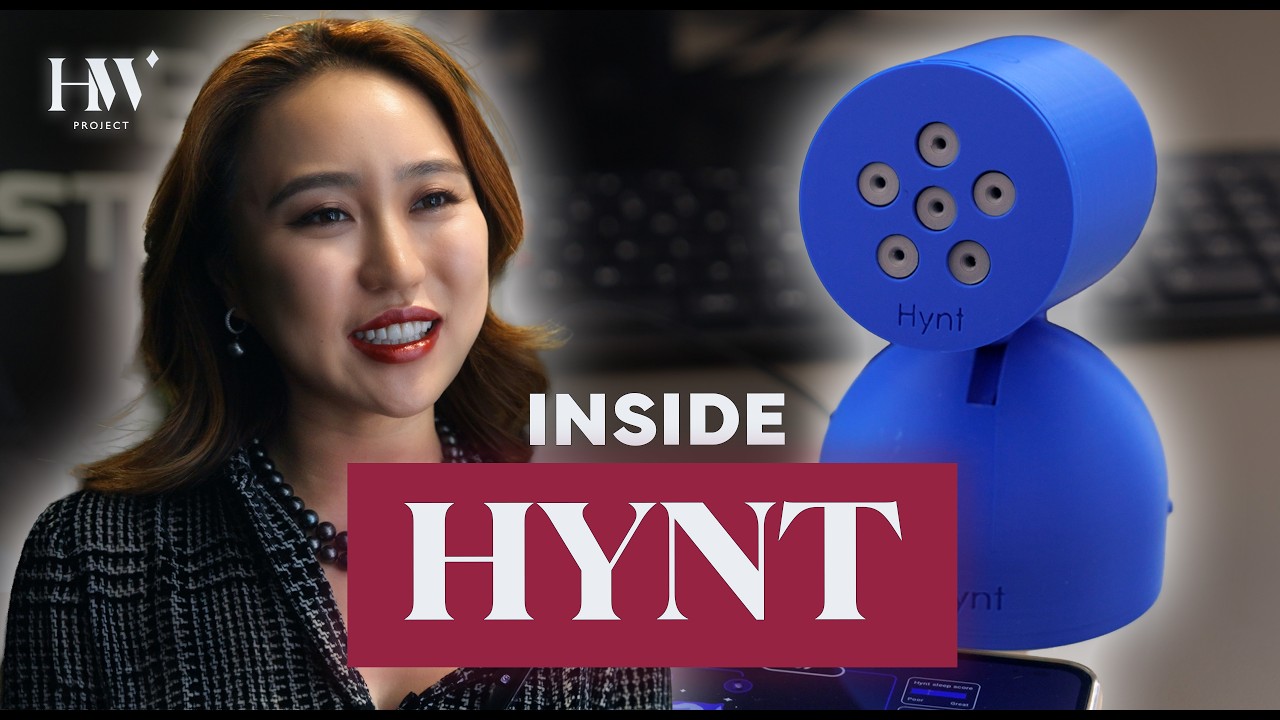
What if your sense of smell was one of the most powerful and underused tools for human performance? At Hynt, a digital scent company, that is exactly what they are proving.

In this episode, Méline visits the Hynt lab to meet co-founder Emanuela Maggioni and experience the technology firsthand. Emanuela and her colleague Fahad Zia are building a system that harnesses the science of scent to help you sleep better, perform better, and feel more in control of your own biology. The device reads your wearable data in real time and releases personalised scent compounds that adapt to your body as you sleep.

Méline also gets access to Hynt’s generative scent machine: a technology that can synthesise almost any smell in the world from a simple text description. This is the science of smell, and it is only just getting started.

Why scent is one of the most personal and misunderstood senses we have
The difference between scents that relax the nervous system and scents that activate it
Why your scent receptors change every seven days and what that means for your health
The wearable device that releases compounds in real time based on your heart rate
The generative scent machine that can synthesise any smell in the world from a text prompt
How Hynt plans to let you send a smell to someone on the other side of the world

EPISODE 81

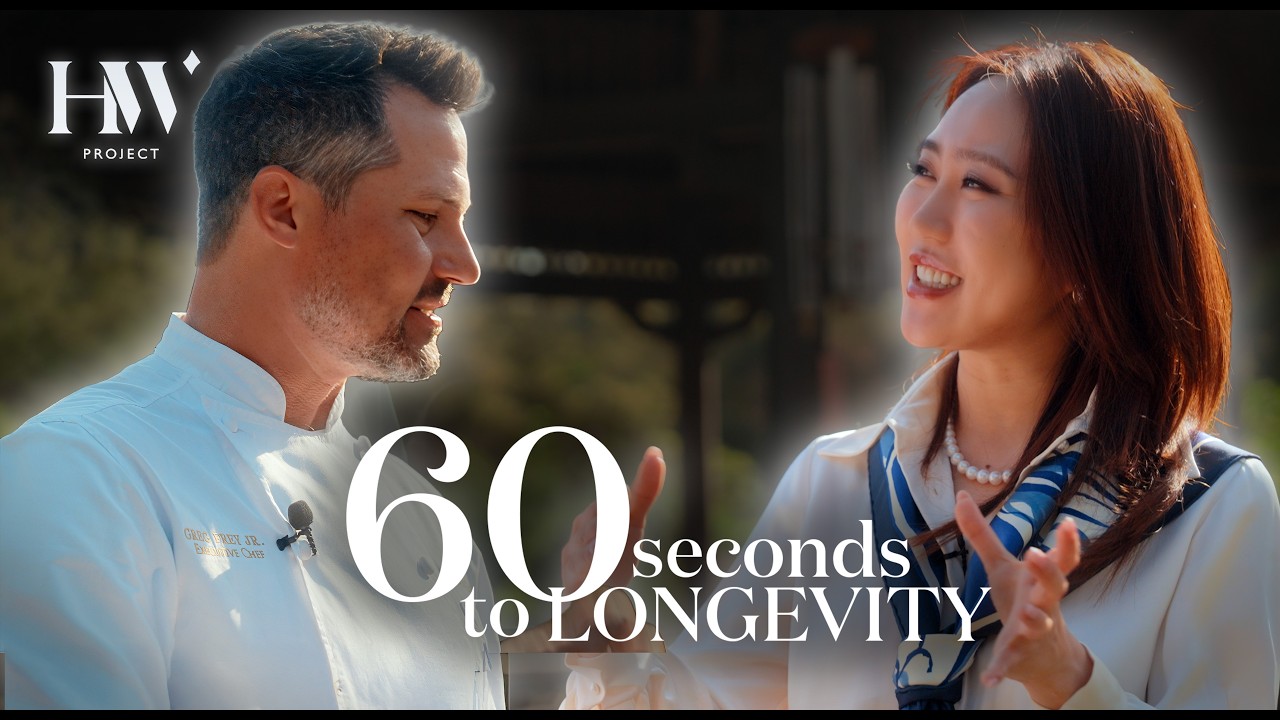
60 Seconds With Golden Door's Executive Chef: The One Rule That Actually Extends Your Life

Greg Frey Jr is the Executive Chef at Golden Door, one of California’s most celebrated wellness retreats, where food is grown on site and every meal is designed to fuel transformation.

In this quick-fire 60 seconds, Greg shares the rule that matters most for a long and healthy life, and it has nothing to do with superfoods.

He explains:
Why stress is the single biggest threat to your longevity
The simple plate formula that guarantees the right nutrients every meal
The one zucchini sauce recipe you need to know from his new cookbook

EPISODE 80

She Interviews the World's Top Longevity Experts. Here Is What She Actually Practices Herself

Méline Liu has sat across from some of the world’s leading voices in longevity, neuroscience, and human performance. But what does she actually do herself?

In this candid behind-the-scenes moment, Méline shares the daily habits she never skips, the brain food she swears by, the biohack that surprised her most, and why she launched a print magazine in a world that said print was dead. She also explains what makes The HumanWare Project different, why critical thinking is the most important longevity tool nobody talks about, and what the red rocks of Sedona did to her nervous system.

This is a short, unfiltered look at the person behind the camera and the daily practices she has built from years of being in the room with the world’s best.

She explains:
The daily habit she never skips to quiet her mind
Why she wears a continuous glucose monitor and what it has taught her
The mushroom powder that gives her mental clarity every morning
The biohack that surprised her most: brain training and neural circuit work
Why she made a print magazine and what happened when she did

EPISODE 79

I Spoke to 100 Experts: This Is What They All Agreed On

Global Wellness Day is celebrated once a year. But at The HumanWare Project, we believe it belongs in every single day.

We’ve spent the past year in conversation with over 100 of the world’s leading experts, from neuroscientists to Traditional Chinese Medicine practitioners, and if we had to distill it all into three things? Here’s what you need to know:

1. Master your mind. Neuroscientist Sophie Hascher – the first to integrate brain health into longevity experiences through EEG-led neurofeedback – showed us that cognitive performance, emotional wellness and nervous system recovery aren’t fixed. Your brain is trainable.

Watch Sophie’s episode:  Could This Technology Actually Train Your …  

2. Stay curious. We explored the Harmonic Egg – a resonant chamber that blends sacred geometry, colour therapy and vibrational sound into an immersive wellness experience designed to support nervous system regulation and energetic alignment. Alternative? Yes. But the principle is ancient and the curiosity it demands of you is the point. Stay open.

Find out more: What Happens When Sound Becomes Medicine?  

3. Take time for yourself. Not as a reward. As a practice. Whether it’s a retreat, a morning ritual, or simply an hour that belongs to no one else – restoration is not indulgence. It’s infrastructure.

Experience Golden Door now:Inside the Secret California Retreat Where…  

Today is a reminder. But don’t let it stop here. Check in with your HumanWare. ✨

EPISODE 78

The Man Behind CVS Health Who Built Disney Parks Now Wants to Fix American Healthcare

Tilak Mandadi spent years at Disney building some of the most ambitious guest experiences in the world, from Shanghai Disneyland to Star Wars Land.

Now he is applying that same consumer-first thinking to one of the most complex and broken systems on the planet: American healthcare. Tilak is the Chief Digital and Technology Officer at CVS Health, one of the largest healthcare companies in the world, touching the lives of 185 million Americans every year. He is the architect of Health 100, CVS’s AI-powered platform launching in 2026 that aims to give every American a personal AI health agent, proactive care, and full visibility of their own health records in one place.

EPISODE 77

Inside the Secret California Retreat Where Hollywood Goes to Reset

Golden Door has been transforming the lives of its guests for 75 years. Tucked away in the hills of Southern California, it is a place built around a single belief: that true wellbeing comes from movement as well as stillness, and that carving out space for yourself is not a luxury, it is a necessity.

In this episode, Méline visits one of the world’s most respected wellness retreats to understand what makes it work. She sits down with General Manager and COO Kathy Van Ness to explore the philosophy behind a place built around the belief that peace is the foundation of longevity. She walks the on-site gardens with Executive Chef Greg Fry Jr to understand why food grown in living soil tastes and heals differently. And she experiences a sound bath with practitioner Kumiko Katherine, who explains how shifting your brain from beta to alpha wave can reset the nervous system in minutes.

This is not a video about luxury. It is about what it actually takes to slow down in a world that rewards speed, and why the most powerful thing you can do for your health might simply be to pause.

EPISODE 76

The Ayurvedic Healer Who Helped Kourtney Kardashian Get Pregnant Using 5,000-Year-Old Medicine

Martha Soffer has been quietly transforming the health of some of the world’s most recognisable people from a small room beneath her house in Santa Monica.

Gwyneth Paltrow, Matt Damon, Julia Roberts, and Kourtney Kardashian have all found their way to her door. Most of them came because nothing else was working.

Now Martha is the founder of Surya Spa and one of the world’s leading Ayurvedic practitioners. She has spent decades studying the ancient system that Western medicine is only beginning to understand: how your body type could determine what you should eat, why the change of seasons is the most dangerous time for your health, and how a 5,000-year-old detox process can lower cholesterol, restore fertility, and reset the nervous system without a single prescription.

EPISODE 75

AI Has a 50% Chance of Ending Humanity and It Is Still the Most Exciting Time to Be Alive

Emad Mostaque puts his personal probability of human extinction from AI at 50%. A coin toss. And yet he believes this is the most exciting time in human history to be alive.

Emad is the founder of Stability AI, the creator of Stable Diffusion with over 300 million downloads, and now the architect of a sovereign AI stack being built to give every person on earth ownership of their own intelligence. He left a billion-dollar company because he believed someone had to build AI that works for people, not corporations, and that person had to be him.

EPISODE 74

AI Is Splitting the World in Two. Which Side Are You On?

Fredric Marshall has spent 32 years studying how humans learn, resist, and ultimately change.

As an AI investor who sees the business plans and deal sheets, he has a message most people are not ready to hear: the pace of change we are living through today is only the beginning, and the world is quietly splitting into two groups of people.

Fredric Marshall is a learning and change expert, founder of Quantum Learning, former biochemist, and author of Thrive: The Antidote to Future Shock. He has personally trained over 130,000 people across fourteen countries and helped launch 74 new brands in the biopharma space. Now he is sharing his research for the first time with a wider audience.

EPISODE 73

The Doctor Who Got a Stranger's Heart: What She Now Knows About Surviving Anything

Dr. Dawn Mussallem, is Global Chief Medical Officer of Fountain Life, stage 4 cancer survivor, and heart transplant recipient carrying a stranger’s heart inside her chest.

She spent 25 years at Mayo Clinic, lost her husband to the very disease she now fights to detect early, and emerged from her own mortality with a singular mission: to change the way humanity approaches health.

In this conversation, Dr. Dawn shares what 88% of otherwise healthy people do not know about their hearts, why type 2 diabetes is 100% preventable, and how a 17-million-person study quietly rewrote the rules of nutrition.

She also opens up about the 14 months she spent on the heart transplant waiting list, the moment she learned whose heart she received, and how that gift transformed not just her body but her entire relationship with being human.

EPISODE 72

The E-Bike for Walking: How a Powered Exoskeleton Is Giving People Their Lives Back

In this episode, we meet Luke Mooney, CEO of Dephy — an MIT-trained engineer who started by building robotic prosthetics to to make walking easier and less exhausting.

It helps people walk further, faster, and with less effort.

We meet the Dephy Sidekick: a powered footwear system that acts like an extra calf muscle, giving.

We sit down with Luke to understand how it works, who it’s built for, and why the most meaningful impact isn’t the technology itself – it’s what people can do again when they wear it.

Whether you’re managing fatigue, pain, or simply want to keep up with the people you love, this episode is a window into how human and machine are beginning to move together, looking to the future of exoskeleton mobility.

EPISODE 71

Hyperbaric Oxygen Therapy: What Could It Actually Do to Your Brain, Body & Lifespan

In this episode of The HumanWare Project, Méline sits down with Andrei Nicolescu and Alexandru R. Harbuzaru from HPO.Tech – engineers and pioneers at the forefront of hyperbaric oxygen therapy – to break down exactly how HBOT works, who it’s for, and why the world’s top performers are investing in it.

From the science of oxygen dissolving into your plasma under pressure, to the three levels of use – recovery, readiness, and performance – this conversation demystifies a technology that was once reserved for clinical settings and is now entering homes worldwide.

You’ll discover why oxygen could be considered the body’s primary healing agent, what separates a medical-grade hyperbaric chamber from a wellness device, and how HPO.Tech is building the data infrastructure to accelerate the science of an entire industry.

EPISODE 70

The Car That Runs on Sunlight: 10,000 Free Miles a Year

What if your car could refuel itself while you slept, while you worked, while you simply lived your life? That’s not a distant promise – it’s what Aptera Motors has already built.

In this episode, we step inside the Aptera, the world’s first true solar electric vehicle, and speak with Chris McCammon, Head of Marketing, about the philosophy behind one of the most radical rethinks of personal transport in decades.

The insight that sparked it all is deceptively simple: most vehicles can burn 60 to 70 percent of their energy just pushing air out of the way. Aptera decided to fix that first. The result is a three-wheeled, ultra-aerodynamic vehicle that generates over 10,000 miles of driving per year from sunlight alone, uses a third of the energy of any other EV on the market, and costs $40,000 for a 400-mile range.

EPISODE 69

This MIT Technology Can Detect Parkinson's Before Your Doctor Does | 60 Seconds to Longevity

What if a wireless signal in your home could tell you more about your health than your doctor 0 before you even feel unwell?

In this episode of 60 Seconds to Longevity, Méline Liu sits down with Dina Katabi, MIT professor and pioneer of invisible health technology, to explore a breakthrough that could redefine how we monitor, detect, and prevent disease.

Dina’s research uses wireless signals to capture vitals, sleep patterns, breathing, and even EEG data – entirely without sensors or wearables. Her lab has already demonstrated the ability to detect Parkinson’s disease from breathing patterns during sleep, in some cases before a formal clinical diagnosis.

Looking ahead, she envisions AI foundation models that understand human physiology from thin air – screening for disease, detecting early warning signs, and helping us intervene before symptoms ever appear.

EPISODE 68

What Navy SEALs, Extreme Athletes & Top Executives Have in Common | Steven Kotler

What if the key to living longer, thinking sharper, and recovering from burnout wasn’t a supplement or a biohack – but a mental state you were born to access?

In the first episode of Built to Last, Méline Liu sits down with Steven Kotler – bestselling author, neuroscience researcher, and founder of the Flow Research Collective – for a wide-ranging conversation filmed in a vintage car about the state that may be the most powerful performance tool in existence: flow.

Steven breaks down how flow rewires the brain after trauma, why it’s neuroprotective against depression and PTSD, and how 35,000 people increased their time in flow by over 73% in just eight weeks. He also reveals the one thing most people give up as they get older – and why reclaiming it could be the simplest longevity intervention of all.

This is a conversation about peak performance, mental resilience, and what it truly means to be built to last.

EPISODE 67

Bob Langer 60 Seconds to Longevity

What if the future of longevity is already being built… and you just haven’t seen it yet?

In this short but powerful conversation, legendary scientist Bob Langer – one of the most cited engineers in history – breaks down the breakthroughs quietly shaping the future of human health.

From the tiny particles that made mRNA vaccines possible… to the idea of growing personalised brains outside the body, this episode gives you a rare glimpse into what’s coming next in longevity.

If you care about living longer, thinking sharper, and understanding where medicine is heading – start here.

EPISODE 66

Built To Last - A New Series from The HumanWare Project

In this landmark new series, Méline Liu sits down with some of the most compelling minds in longevity, medicine, and human performance – from physicians and bestselling authors to biohackers and innovators – for raw, unhurried conversations filmed inside vintage cars.

Featuring Andrei Nico of HPO TECH, author Frederic Marshall, heart transplant survivor and physician Dr. Dawn Mussallem, and flow state pioneer Steven Kotler, Built to Last explores the science, philosophy, and lived experience of living longer – and living better.

Built to Last — a new series by The HumanWare Project.

EPISODE 65

A New Way to See Robots - Toborlife

A study in movement, form, and intent.

Toborlife presents a new generation of robotic software through precision engineering and refined design. Here we see their capabilities in industrial settings and their work developing autonomous robot control systems.

We see how the Home Dog can serve as a security device, reporting and monitoring industrial areas and dealing with hazardous situations like spills.

The G1 Humanoid demonstrates its ability to manipulate objects with 23 separate, powered axes of motion, allowing it to move in 23 unique ways,

Built with attention to detail and a focus on presence, these machines move with clarity and control – click here for more: https://toborlife.ai/

EPISODE 64

This Mirror Scans Your Body… Welcome to Behind the Scenes of CES 2026

In this behind-the-scenes episode of The HumanWare Project, Méline takes you inside CES in Las Vegas, a showcase of cutting-edge technology.

From AI-powered health diagnostics to the overwhelming pace of innovation, the days unfold in unexpected ways!

This episode captures a real perspective of CES and the obstacles that can arise when travelling and filming!

EPISODE 63

Inside HUMANWARE: The Making of the Magazine

Behind the scenes as we put the finishing touches on HUMANWARE (Edition 2)

From debating the perfect cover to crafting visuals that celebrate the people redefining our century, every page has been shaped with intention – where science, humanity, and design meet.

Almost ready for print. Stay close.

EPISODE 62

What Happens When AI Finally Gets a Body

In this episode of The HumanWare Project, we explore the future of robotics and embodied AI with David Schulhof, founder of Toborlife.

As advances in artificial intelligence accelerate, a new frontier is emerging: intelligent machines that can operate in the real world, interact with humans, and perform useful tasks in everyday environments.

Rather than focusing only on robotic hardware, this conversation looks at the software layer that may power the next generation of humanoid robots. Through Toborlife Harness, David and his team are developing systems designed to connect modern AI models with robotic platforms, enabling robots to perceive their surroundings, understand human communication, and operate more naturally alongside people.

The discussion explores how robotics may evolve from controlled demonstrations into practical systems used in workplaces, labs and eventually homes.

EPISODE 58

What Happens When Sound Becomes Medicine?

Can sound truly influence the way we think, feel, and experience ourselves?

In this episode of The HumanWare Project, Méline travels to Sedona to step inside the Harmonic Egg – a chamber designed to immerse the body in carefully calibrated sound and light frequencies.

In a world defined by constant stimulation, what happens when you allow yourself to do nothing.

EPISODE 59

What Happens Inside a Scalar Wave Room?

What happens when you place yourself in an environment designed to interact directly with your brain and nervous system?

In this episode of The HumanWare Project, we visit Sheila Jackman’s Scalar Wave room – a space surrounded by 24 synchronised screens running a continuous visual program. As Sheila explains, the system is designed to try and allow the brain might be able to absorb these signals simultaneously, even with the eyes closed. Visitors arrive with different intentions: some seeking physical relief, others pursuing emotional clarity or spiritual insight.

Sheila shares her own journey, from initial skepticism about “machines” to witnessing experiences she found difficult to explain. She reflects on the reactions of visitors – including those who entered doubtful and left questioning what they had felt. The conversation explores the role of perception, belief, and the body’s capacity to respond to unfamiliar stimuli.

EPISODE 60

What Chinese New Year Teaches Us About Renewal

What does it truly mean to begin again?

In this reflective episode, Méline connects the wisdom of past HumanWare conversations – from Qigong practice with Antonio Bellomo, Traditional Chinese Medicine with Dr. Zhang, nervous system regulation with Dr Sarah Boss, and philosophical reflection with David Cornwell.

Rather than viewing the Chinese New Year as a single celebration, this episode explores it as a practice: a moment to clear what no longer serves us, restore balance, and move forward with intention. Drawing on insights from past guests and lived experience, Méline reflects on renewal not as productivity, but as alignment.

EPISODE 61

Meet the Robots Learning to Live With Us

What happens when robots begin to move, listen, and respond in the same spaces we live in?

In this behind-the-scenes look a ToborLife AI robots, we explore a new generation of machines designed not just for research labs, but for real environments. From a quadruped robot capable of navigating a home and patrolling with cameras and lidar, to a humanoid system that can hear where your voice is coming from and respond to spoken commands, the technology feels closer than most people expect.

Along the way, founder and CEO David Schulhof shows us how these systems balance, interpret their surroundings, and interact with people in real time. What starts as a demonstration quickly becomes a deeper look at how robotics, AI, and human design are beginning to converge.

EPISODE 57

He Was Rejected 9 Times - Then Built World-Changing Medicine

Dr. Robert Langer discusses how he approaches scientific research, entrepreneurship, and the process of turning ideas into real-world technologies.

Drawing from decades of experience in medicine, engineering, and company building, he explains why asking the right questions matters more than having immediate answers, and how progress in health technology often happens slowly and unevenly. Dr. Langer is known as the “Edison of Medicine” he has authored more than 1,500 scientific papers and is the most-cited engineer in history.

As Co-Founder of Moderna, he helped discovered the COVID-19 vaccine and has over 45 honorary degrees from universities around the world. This discussion covers the practical realities of working in research labs, the challenges of translating science into products, and the role startups play in bringing new technologies to patients. Langer reflects on early skepticism toward his work, what persistence looks like in practice, and how failure shapes both scientific and commercial outcomes. Rather than focusing on predictions or trends, this episode looks at how decisions are made over long periods of time – in research, in companies, and in careers.

The conversation is grounded in experience and focuses on how useful technologies are built, evaluated, and sustained. This episode will be relevant to researchers, founders, students, and anyone interested in how science and business intersect in practice.

EPISODE 56

What CES Reveals About the Future of Health, AI, and Being Human

CES is often framed as a race toward faster, smarter, more powerful technology. But beneath the noise, a quieter shift is happening – one that asks a more important question: who are these technologies actually for?

In this second chapter from CES, The HumanWare Project explores health and AI innovations designed not just to optimise performance, but to support real human lives. From brain-based noise cancellation and women’s health wearables to mobility robotics and assistive AI.

Rather than asking how quickly technology is advancing, we pause to reflect on something deeper: how these tools shape our bodies, our autonomy, and our sense of dignity. What happens when innovation is measured not by scale or speed, but by its ability to reduce suffering and restore agency.

EPISODE 55

CES 2026 Made One Thing Clear: The Body Is the Next Interface (Part 1)

In this on-the-ground episode from CES 2026, The HumanWare Project explores what today’s emerging technologies quietly reveal about where innovation is heading.

From robotics and diagnostic imaging to health monitoring and ageing-related tools, a pattern begins to surface: technology is moving closer to the human body, not farther away. We look at the newest technologies looking to integrate into real human needs.What problems are being solved, and which ones are being avoided? Here at some of the ones to watch for 2026.

EPISODE 54

What If Your Home Could Detect Illness Before You Do?

What if the walls around you could quietly help protect your health?

In this episode of The HumanWare Project, we explore a radical shift in how health can be understood, monitored, and supported – without wearables, cameras, or invasive tools.

Dina Katabi, Professor of Electrical Engineering and Computer Science at MIT, reveals how everyday signals already moving through our homes can be used to detect subtle changes in breathing, sleep, mobility, and overall health. This conversation challenges the assumption that medical insight must come from hospitals or devices attached to the body.

Katabi examines the promise, and responsibility, of remote health monitoring: earlier detection, greater dignity for ageing populations, and a future where care is continuous rather than reactive. We also confront the ethical questions around privacy, consent, and trust that inevitably arise when technology becomes part of our living spaces.

EPISODE 53

Sergey Young on Healthspan, Biotech, and the Future of Ageing

Longevity is often framed as a race toward immortality – more supplements, more data, more promises. But what if that framing is the problem?

In this episode of The HumanWare Project, longevity investor and advocate Sergey Young offers a grounded, clear-eyed perspective on what longevity actually means – and what it doesn’t. Drawing from his work in biotech, health innovation, and long-term investing, Sergey explores the difference between lifespan and healthspan, why most people misunderstand aging, and how to think about longevity without falling for exaggerated claims or future fantasies.

Rather than prescribing routines or selling certainty, this conversation invites a deeper question: how do we build a healthier relationship with time, health, and progress?

This episode is for anyone feeling overwhelmed by the longevity conversation – and looking instead for clarity, realism, and a framework that makes sense in the present, not just the future.

EPISODE 52

Alzheimer’s Isn’t Inevitable - What Top Harvard Scientist Now Knows About Prevention

Is Alzheimer’s truly an unavoidable part of ageing – or is our understanding evolving?

In this episode of The HumanWare Project, neuroscientist Dr. Rudy Tanzi explores what modern brain science is revealing about Alzheimer’s risk, resilience, and prevention. Drawing from decades of research, he explains how genetics, lifestyle, sleep, inflammation, and cognitive engagement interact in ways we’re only beginning to understand.

Dr .Tanzi explains how Alzheimer’s develops, why it’s not solely a genetic destiny, and which everyday factors appear to play a meaningful role in long-term brain health as well as what supplements to take to reduce likelihood of developing the diseases.

EPISODE 51

This Data Proves You Don’t Have to Get Weaker as You Age

Emily Capodilupo, Senior Vice President of Research Algorithms and Data at WHOOP, explains how wearable technology is redefining how we understand aging and human performance.

She discusses how data-driven feedback loops – from sleep quality to recovery metrics – allow people to make subtle, personalised adjustments that dramatically improve their well-being.

She emphasises that longevity isn’t just about living longer, but living better now: when people start acting on the insights from wearables, they often feel better within days. WHOOP’s platform helps users see how small behavioural changes—like improving sleep, managing stress, and balancing strain, affect long-term health outcomes.

Emily also challenges the assumption that physical decline is inevitable with age. She shares that, by understanding and optimising key recovery markers, people can maintain or even enhance performance over time. The future of health, she argues, lies in empowering individuals with real-time physiological awareness, bridging science, behaviour, and technology to slow biological ageing.

EPISODE 50

The Neuroscientist Rewiring How We See the Brain

What if we could actually see how the brain works, in motion, in colour, in real time?

In this episode, MIT neuroscientist Edward Boyden reveals how his groundbreaking inventions, from light-based brain control (optogenetics) to expansion microscopy, are transforming how we understand the mind.

Through thoughtful conversation, Ed explores how mapping and manipulating neural circuits could unlock the mysteries of emotion, decision-making, and consciousness itself.

EPISODE 49

I Spoke to 100 Longevity Experts - Here’s What You Must Do in 2026

What happens when you spend a year speaking with over a hundred of the world’s leading longevity experts?

In this special New Year resolutions episode, Méline Liu distills a year of insight and exploration into three science-backed practices that can transform your health and mindset for 2026.

The HumanWare team uncovers the universal truths that connect nutrition, movement, and emotional wellbeing – revealing how small daily actions can add years of quality life.

This conversation is not about unrealistic resolutions, but about evidence-based change rooted in clarity and compassion. Whether you’re seeking to improve your energy, sleep, or focus, these expert-backed insights will help you step into 2026 with purpose and strength.

EPISODE 48

Why ADHD Is Rising: The Overlooked Factors Shaping the Modern Brain

Why are rates of ADHD and attention-related challenges increasing across children, teens, and even adults?

In this grounded and eye-opening conversation, neuroscientist and nutritional researcher Dr. Rachel Gow unpacks the lesser-known factors influencing how the modern brain develops, regulates attention, and responds to an increasingly complex world.

Drawing on decades of research, she explores the interplay between nutrition, early brain development, environmental exposures, inflammation, sleep, and stress and how these elements collectively shape behaviour and cognition far more than most people realise. Rather than reducing ADHD to a single cause or simplistic narrative, Dr. Gow explains why it emerges from a web of biological and environmental influences that begin long before a child enters the classroom.

This episode invites viewers to rethink common assumptions, understand the developmental needs of neurodiverse brains, and consider how modern food environments and lifestyle patterns may be quietly shaping attention in an age of overstimulation.

EPISODE 47

Your Brain Is Sabotaging Your Leadership (And How to Train It)

What if the real barrier to effective leadership isn’t strategy, skill, or experience – but the way your brain responds under pressure?

In this conversation, Jason Leavy breaks down the emerging field of neuroscience-informed leadership and explains how leaders can strengthen clarity, resilience, and decision-making in a rapidly changing world.

We explore why modern leadership has become so cognitively demanding, how AI is reshaping the mental load placed on executives, and what the science reveals about attention, stress, emotional regulation, and focus.

Jason shares the practical principles he teaches to founders, CEOs, and high-pressure teams – including how to recognise hidden neural patterns and retrain them for more confident leadership.

EPISODE 46

Could This Technology Actually Train Your Brain to Focus?

What if focus could be trained – not through willpower, but through direct communication with your own brain?

In this HumanWare Project episode, Méline Liu works with Sophie Hascher, founder of Brain Flow Elite, to explore how neurofeedback technology helps people enter deeper states of focus, calm, and mental clarity.

Using EEG sensors, Sophie visualises the brain’s electrical activity in real time – revealing how stress, emotion, and awareness shift moment to moment. Through guided exercises and feedback loops, the mind begins to learn from itself, building resilience and control in the process.

This is a journey into the science of self-regulation and the promise of neurotechnology – where neuroscience meets human potential.

Discover what happens when focus becomes something you can actually see, train, and transform from within.

EPISODE 45

The Science of Calm: How Neurofeedback Rewires an Anxious Brain

What if your brain could learn to stay calm, the same way your body learns to grow stronger?

In this episode of The HumanWare Project, Méline sits down with neurofeedback specialist Sophie Hascher reveals how we can train our brain to reach its flow state through a variety of different methods.Through data-driven brain mapping, mindful awareness, and lifestyle adjustments like sugar reduction, Sophie explains how neuroplasticity allows us to reshape the patterns that keep us stuck in anxiety, distraction, or stress.

Together, we explore what happens inside the brain when we enter a flow state, how dopamine drives addiction and motivation, and why true productivity begins by allowing ourselves to slow down.

This is a grounded look at the intersection between neuroscience, mindfulness, and behaviour change, and a reminder that mental clarity isn’t something we wait for. It’s something we can train.

EPISODE 44

Inside the Lab Growing the Future of Medicine - Stem Cells

In this episode, Méline Liu visits Cellcolabs in Sweden, a biotech company turning decades of stem cell research into real-world innovation.

Guided by the Chief Production Officer, Lina Sörvik, we follow every step of how mesenchymal stem cells (MSCs) are created: from bone marrow donation by young volunteers, to cell isolation, growth, and expansion inside sterile biosafety cabinets.

Lina explains how each batch begins with a single donation that can yield billions of cells, carefully watched under microscopes until they cover the surface of their growth vessels. We learn how GMP-certified procedures, sterile environments, and months of technician training ensure the purity and safety of every vial produced.

These cells aren’t designed to replace tissue: they signal the body to repair itself, reducing inflammation and supporting regeneration.

Through this rare look behind the glass, The HumanWare Project reveals the precision, patience, and quiet artistry inside the science of growing human cells, and the promise they hold for the future of medicine.

EPISODE 43

Stem Cells Could End Chronic Disease as We Know It

What if we’re standing at the next great turning point in modern medicine: a “before and after” moment like antibiotics?

In this episode of The HumanWare Project, Dr. Mattias Bernow, CEO of Cellcolabs, shares how stem cell research is unlocking an entirely new frontier in health. From regenerative therapies and chronic disease prevention to the dream of healthy ageing, this conversation explores how mesenchymal stem cells could transform the way we think about healing and longevity.

You’ll learn how stem cells work and the research that Cellcolabs is doing to fight chronic diseases, why scientific integrity matters, and what safeguards every patient should look for before considering treatment.

Katarina le Blanc’s Bio

Katarina le Blanc’s Papers:

MSC mechanisms: Le Blanc, Katarina and Krampera, Mauro, Mesenchymal Stromal Cells: Putative Microenvironmental Modulators Become Cell Therapy. Cell stem cell. May 2021.

Immunomodulation in GvHD: Boberg E, L von Bahr, K Le Blanc, et al. Treatment of chronic GvHD with mesenchymal stromal cells induces durable responses: A phase II study. STEM CELLS Transl Med. 2020;1–13.

**This content is for informational purposes only and should not be considered medical advice. Always consult with a qualified healthcare professional before making any health or lifestyle changes.**

EPISODE 42

Inside the Futuristic Health Centre Redefining Medicine

What if medicine wasn’t just about treating illness, but preventing it before it even begins?

In this HumanWare Project episode, we step inside Zoī, a groundbreaking health centre in Paris that blends predictive medicine, architecture, and human-centred design to reimagine the future of care.

Hidden behind an unmarked door near Place Vendôme, Zoī is a 20,000-square-foot sanctuary created to calm the senses and restore balance. With softly lit corridors, volcanic stone pools, and oval examination suites where technology disappears from sight, the space feels more like a retreat than a clinic.

But behind this serene architecture lies advanced science – predictive algorithms, behavioural tools, and personalised health pathways designed to help people live longer, healthier lives. Join us as we explore how architecture, science, and experience come together to redefine health and longevity in the 21st century.

Subscribe to The HumanWare Project for more explorations at the intersection of health, design, and human potential.

**This content is for informational purposes only and should not be considered medical advice. Always consult with a qualified healthcare professional before making any health or lifestyle changes.**

EPISODE 41

Inside the Mind of The Leading Health-Tech Investor

What if cancer cells could be persuaded to self-destruct?

In this episode of The HumanWare Project, we step inside the Lyon-based lab of Patrick Mehlen, CEO of Netris Pharma, to uncover a breakthrough approach to cancer treatment.

Instead of poisoning fast-growing cells, his team has found a way to “switch back on” the body’s natural self-destruct program, targeting the hidden, resistant cells that often cause relapse. Patrick traces his journey from fundamental cell biology to pioneering therapies, revealing how curiosity, persistence, and a refusal to follow the crowd led to one of the most promising developments in oncology.

Along the way, we explore common misconceptions about cancer, why prevention still matters, and how genetics, aging, and lifestyle intersect in this complex disease. The result is a conversation that challenges outdated beliefs and opens a window into the future of treatment and care.

This episode is not just about science, it’s about the human drive to serve, to imagine new possibilities, and to bring hope where fear has long dominated.

Subscribe to The HumanWare Project for more guided explorations into health, presence, and human potential.

EPISODE 40

A New Way to Make Cancer Cells Self-Destruct

What if cancer cells could be persuaded to self-destruct?

In this episode of The HumanWare Project, we step inside the Lyon-based lab of Patrick Mehlen, CEO of Netris Pharma, to uncover a breakthrough approach to cancer treatment.

Instead of poisoning fast-growing cells, his team has found a way to “switch back on” the body’s natural self-destruct program, targeting the hidden, resistant cells that often cause relapse.

Patrick traces his journey from fundamental cell biology to pioneering therapies, revealing how curiosity, persistence, and a refusal to follow the crowd led to one of the most promising developments in oncology. Along the way, we explore common misconceptions about cancer, why prevention still matters, and how genetics, aging, and lifestyle intersect in this complex disease.

The result is a conversation that challenges outdated beliefs and opens a window into the future of treatment and care.

This episode is not just about science, it’s about the human drive to serve, to imagine new possibilities, and to bring hope where fear has long dominated.

Subscribe to The HumanWare Project for more guided explorations into health, presence, and human potential.

EPISODE 39

The Hidden Signs of Burnout (Before It’s Too Late)

What if burnout wasn’t just about working too much – but about losing touch with your own body?

In this episode of The HumanWare Project, psychotherapist Gita Chaudhuri, Head of Psychotherapy at The Balance in Mallorca, explores the hidden early signs of burnout and why so many high achievers fail to notice them until it’s too late.

Through her holistic approach, Gita reveals how stress lives in the nervous system, why we confuse distraction with rest, and how subtle shifts – like mindful awareness, gentle movement, or simply sitting in the sun – can begin to restore balance.

This conversation is not about quick fixes. It’s about learning to listen inward, recognising the quiet signals your body gives you, and allowing space for recovery before exhaustion takes over.

If you’ve ever felt constantly “on,” overwhelmed, or unsure how to truly rest, this episode will guide you back toward presence, resilience, and self-connection.

Subscribe to The HumanWare Project for more guided explorations into health, presence, and human potential.

EPISODE 38

Why Your Nervous System Holds the Key to Mental Health

What if the secret to healing your mind lies not in more thinking, but in your body itself?

In this episode of The HumanWare Project, psychiatrist and clinical director Dr. Sarah Boss reveals how the nervous system shapes trauma, resilience, and recovery in ways traditional talk therapy and medication often overlook.

From cutting-edge neuromodulation techniques to bottom-up approaches like somatic experiencing, vagus nerve stimulation, and mindfulness, Dr. Boss explains why true transformation requires working with both brain and body. You’ll learn why the mind constantly clings to old patterns, how trauma becomes “stuck” in the nervous system, and why reconnecting with your sensations, breath, and environment is essential for long-term mental health.

At its heart, this conversation challenges the myth that healing is only cognitive – and shows how resilience, presence, and peace can be cultivated from the inside out. Prepare to see stress, trauma, and mental health through a completely new lens, one that could change how you relate to your body and your mind.

Subscribe to The HumanWare Project for more guided explorations into health, presence, and human potential.

EPISODE 37

A Heart Attack Made Me Change My Life And Find Purpose

What happens when the pursuit of success comes at the expense of health?

In this thoughtful conversation, entrepreneur and longevity leader Abdullah Boulad shares how a sudden heart attack became the turning point that led him to rethink balance, well-being, and the true meaning of living fully.

From his early struggles with burnout and family health crises to the creation of The Balance clinic, Abdullah reveals what it takes to restore harmony between body, mind, and purpose. He explores the pillars of longevity, movement, nutrition, mental health, and emotional regulation. He explains why authentic balance is not just about recovery, but about building a life worth sustaining.

This episode invites viewers to reflect on their own habits, pressures, and priorities. Rather than chasing endless growth, Abdullah shows how slowing down and reconnecting with the essentials can open the path to resilience, clarity, and long-term vitality.

A conversation for anyone navigating ambition, health, and meaning in today’s restless world.

Subscribe to The HumanWare Project for more revelations about optimising your human potential.

EPISODE 36

Guided 15 Minute Qigong Routine to Release Stress | Follow Along

Take a pause from your day and join us for a calming Qigong (Chi Kung) practice you can follow along with from anywhere.

Guided by Antonio Belomo, this gentle flow blends breath, movement, and awareness to help you release stress, restore balance, and reconnect with your body.

In this session, you’ll be invited to move slowly, breathe deeply, and settle into the present moment. Each sequence is designed to ease tension, open energy pathways, and leave you feeling lighter and more centred.

Whether you’re completely new to Qigong or looking to deepen your practice, this video offers an accessible way to reset your mind and body. All you need is a quiet space and a few minutes to yourself.

Press play, follow along, and allow this practice to guide you toward calm energy and renewed presence.

Subscribe to The HumanWare Project for more guided explorations into health, presence, and human potential.

EPISODE 35

60 Seconds to Longevity: Debunking wellness trends

In our brand-new series, we distill life-changing wisdom into bite-sized insights you can take with you today.

For our first episode, Jil Moore from The Balance shares simple but powerful truths about happiness: the joy of nature with friends, the impact of a balanced diet, and why embracing both sadness and happiness may be the ultimate health habit.

Because longevity isn’t just about years added – it’s about life well lived.

EPISODE 34

See Inside £150,000-a-Month Alternative Rehab Centre

What really happens inside a £150,000-a-month rehabilitation centre?

In this immersive episode, we step beyond glossy brochures and marketing promises to experience The Balance in Mallorca – one of the world’s most exclusive destinations for recovery and renewal.

From the moment you arrive, the pace shifts. Every detail is intentional: nature-filled surroundings, a private chef, and a team of over 15 specialists focusing solely on you. Over four weeks, clients move through brain stimulation therapies, somatic healing, sound baths, qigong, rolfing, and bespoke nutritional plans – each designed to calm the nervous system, restore balance, and reconnect mind and body.

But this isn’t just about luxury treatments. As the journey unfolds, it becomes a lesson in slowing down, in noticing the subtle signals our bodies send when we’re burning out, and in learning how to return to presence. The Balance’s philosophy challenges a modern truth: that healing can be rushed. Here, transformation takes time, attention, and the right environment.

Could this kind of immersive care be the future of recovery – or is it a rare privilege for the few who can afford it? Step inside and decide for yourself.

Subscribe to The HumanWare Project for more revelations about optimising your human potential.

**This content is for informational purposes only and should not be considered medical advice. Always consult with a qualified healthcare professional before making any health or lifestyle changes.**

EPISODE 33

Your Environment Shapes Your Lifespan More Than Your DNA

What if the most powerful factor in your longevity isn’t your DNA, your supplements, or your gym routine, but your environment?

In this paradigm-shifting conversation, public health innovator and DJ Tina Woods explores the real forces shaping our healthspan.

From pollution and inequality to purpose, social connection, and joy, Tina unpacks how the Human Exposome, the totality of our lived environments, influences how long and how well we live.

This episode dives into the systems we rarely think about. How our policies, communities, and daily rhythms quietly write the story of our ageing. Tina offers a refreshing take on longevity: one rooted not in elite biohacking, but in accessible, collective change.

If you’ve ever wondered what it truly means to live a long, meaningful life, this conversation may help you reshape your perspective entirely.

Subscribe to The HumanWare Project for more revelations about optimising your human potential.

**This content is for informational purposes only and should not be considered medical advice. Always consult with a qualified healthcare professional before making any health or lifestyle changes.**

EPISODE 32

The Secrets of Vocal Physiotherapy: A Guide To Improve Your Voice

Ever wondered why your voice gets tired in loud places, or why you wake up with mysterious headaches?

The answer might be hiding in your neck. In this eye-opening episode, Méline experiences an instant voice transformation at the hands of Ed Blake, the physiotherapist trusted by West End performers and those who rely on their voice for work.

With just 30 minutes of precise muscle work, her voice drops lower, resonates deeper, and feels effortlessly powerful – like speaking through a stereo system. Ed reveals how our modern habits – hunching over phones, clenching teeth at night, working from bed – create a cascade of tension that doesn’t just affect posture. It fundamentally changes how we sound, how we’re perceived, and even our confidence in social situations.

Most fascinating? The same muscle causing your headaches might be strangling your voice.

And the fix is surprisingly simple.

Discover:

  • The one stretch that could save your neck (and voice)
  • Why ‘chin forward’ is the enemy of vocal power
  • How West End stars maintain their voices through eight shows a week
  • The bedtime habit that’s destroying your jaw and larynx

“Your body is the ultimate instrument,” Ed explains. “But most of us are playing it badly – and paying the price.”

Subscribe to The HumanWare Project for more revelations about optimising your human potential.

**This content is for informational purposes only and should not be considered medical advice. Always consult with a qualified healthcare professional before making any health or lifestyle changes.**

EPISODE 31

The Science of Frequencies: Dr Tiff Thompson on How To Treat The Brain

In this episode of The HumanWare Project, Dr Tiff Thompson – co-founder of Neurofield and pioneer in EEG neurostimulation – reveals how we can treat the brain itself rather than simply mask symptoms with pills.

Drawing on years of clinical innovation, she explains the science of frequencies – from brown noise to white noise – and demonstrates how customised blends of direct current, alternating current, aperiodic noise, photobiomodulation and vagal stimulation can retune neural pathways at their root.

Discover:

  • Why conventional psychopharmacology only suppresses symptoms and how neurotherapy addresses the source
  • How your brain’s ‘hum’ shifts with age – and how you can reset it for peak plasticity
  • The midnight-oil experiment that tested safety and efficacy on volunteer brains
  • Why water can carry healing frequencies when ‘charged’ overnight
  • How 90 minutes of enhanced plasticity post-session unlocks lasting change

Whether you’re battling anxiety, ADHD, depression or age-related cognitive decline, this episode offers a clear, science-backed roadmap to restoring brain health – and rediscovering what it means to truly feel alive.

Subscribe to The HumanWare Project for more breakthroughs in human potential.

**This content is for informational purposes only and should not be considered medical advice. Always consult with a qualified healthcare professional before making any health or lifestyle changes.**

EPISODE 30

We Can Tune the Brain Like a Muscle — Here’s How

When his newborn son suffered a brain injury, neuroscientist Dr Nicholas Dogris faced a parent’s worst nightmare. Traditional treatments weren’t enough. So he did something extraordinary – he built his own device.

In this profound episode, Méline meets the pioneer who spent 35 years developing a radical approach to brain therapy. His first test subject? Himself, at midnight, with his engineer watching nervously. “Just call 911,” he told his partner, before pressing start. What happened next changed everything – not just for him, but for thousands with autism, ADHD, depression and brain injuries.

Dr Dogris reveals how we’re creating an “anxiety generation” addicted to phones, why medication often masks rather than heals, and how electromagnetic frequencies as gentle as Earth’s natural pulse can retune the brain. His son? Now finishing university.

Discover:

  • Why ‘physical therapy for the brain’ actually works
  • The midnight experiment that kept two scientists alert for hours
  • How your heart creates frequencies that affect others
  • Why limiting screen time before age 15 is crucial

“We’re not here to dull your edge,” Dr Dogris says. “But when your brain truly heals, something unexpected happens – you feel everything more deeply. The good, the difficult, the beautiful. That’s what a functional brain really means.”

Subscribe to The Humanware Project for more groundbreaking conversations about human potential.

EPISODE 29

Could Water Really Reverse Ageing?

The fountain of youth could be hiding in plain sight: in your bathtub!

In this revealing episode of The HumanWare Project, Méline sits down with David Perez, CEO of Lumati, who shares how his biological age reversed by 33 years through an unconventional water protocol. His journey began when a broken fingernail healed in just 15 minutes during an oxygen bath – sparking an obsession with water’s healing potential.

This conversation takes surprising turns: why California and Florida have the “dirtiest water” in America, how microplastics in bottles are poisoning us, and why clean water now costs 5-10 times more than oil. Most shocking? David reveals that proper hydration alone eliminates 90% of diseases.

From three-baths-a-day protocols to why you should never drink from plastic, this episode challenges everything you thought you knew about the most basic element of life.

Discover:

  • The specific water brands that actually help (in glass only)
  • Why your shower needs a filter urgently
  • How hydrogen water changes cellular function
  • The truth about bottled water’s hidden dangers

“We’re all deficient in water,” David explains. “Once people are properly hydrated, the majority of their illnesses disappear.”
Subscribe to The HumanWare Project for more paradigm-shifting conversations about human potential.

**This content is for informational purposes only and should not be considered medical advice. Always consult with a qualified healthcare professional before making any health or lifestyle changes.**

EPISODE 28

I Tried the Clinic That Says It Can Hack Your Health: Here’s What Changed

Can a few hours in a futuristic clinic actually change your biology? Méline went to find out – and left with data that challenged everything she expected.

At Lumati, a cutting-edge longevity centre in San Diego, ancient wisdom meets space-age technology. Think acupuncture paired with electromagnetic fields, hydrogen therapy through your nose, and a mysterious ‘Rasha Dome’ that uses Tesla coils to supposedly reactivate your DNA.

The most shocking part? After just three hours of treatments, Méline’s cardiac output increased by 20%. Her oxygen saturation improved. Even her blood viscosity changed. All measured through non-invasive scans that read your body’s data through light and fingertips.

From discovering alarming aluminium levels (apparently everyone has them) to sitting inside a consciousness-elevating dome that feels like ‘opening new dimensions in your brain’, this episode reveals what happens when you become a human experiment in the name of longevity.

Listen to:

  • How light can measure your heavy metals without drawing blood
  • Why laser therapy on your bones stimulates stem cell production
  • The electromagnetic mat that sends frequencies through your entire body
  • What really happens inside the Tesla coil “DNA activator”

“I didn’t expect anything to change in a few hours,” Méline admits. “This made me want to do more research into what’s possible.”

Subscribe to The HumanWare Project for more explorations at the frontier of human potential.

**This content is for informational purposes only and should not be considered medical advice. Always consult with a qualified healthcare professional before making any health or lifestyle changes.**

EPISODE 27

This Tiny Robot Goes Inside His Body (and Sends Back Video)

Two robots are swimming inside Torrey Smith’s stomach – and he’s showing me the live footage.

In this jaw-dropping episode of The HumanWare Project, Méline meets Torrey Smith, co-founder of Endiatx, for the world’s first live demonstration of multi-bot flight inside a human body.

No hospital. No sedation. Just water and two flying robots navigating his stomach in real time.

After years of testing prototypes in Silicon Valley swimming pools, Endiatx has miniaturised drone technology down to pill size.

The result? An investigational swallowable robot that might someday replace the £2,000 endoscopy and bring advanced diagnostics to anyone, anywhere – from London flats to rural clinics in Sub-Saharan Africa.

The craziest part? Torrey has personally swallowed 86 of these robots.

And in this episode, he swallows two more – casually chatting as they explore his body like tiny submarines in honey.

In this episode, discover:

  • Why a glass of water becomes a “swimming pool” for robots
  • The exact moment two robots meet inside a stomach – LIVE on screen
  • The future of PillBot and how rice grain-sized tech could one day explore your entire body

“We’re flying a little robot around inside my stomach. But we’re not in a hospital. I’m not sedated. I could be in my living room.” PillBot is not yet FDA-cleared and is currently undergoing various testing in preparation for submitting an application for marketing clearance with the FDA. The Endiatx team is actively preparing for formal clinical studies to assess safety, efficacy, and usability, with the goal of reaching the market within 1–2 years.

Subscribe to The Humanware Project for more mind-bending innovations at the frontier of human potential.

**This content is for informational purposes only and should not be considered medical advice. PillBot is an investigational device and is not FDA cleared. Always consult with a qualified healthcare professional before making any health or lifestyle changes.**

EPISODE 26

This Data-Driven Method Could Add 10 Healthy Years to Your Life

What if your smartwatch could detect illness four days before you feel symptoms?

Dr. Michael Snyder, Stanford’s pioneering geneticist and father of deep data profiling, has turned this science fiction into reality.

And his groundbreaking work measures 135,000 biological markers compared to the mere 15 tests done in a typical doctor’s visit.

In this mind-boggling conversation with Méline, Dr. Snyder shares how he discovered his own diabetes through genomic sequencing and continuous monitoring, catching it well before any doctor would have.

His research reveals that we spend 11-15 years of our lives in poor health, but emerging technologies could change everything.

Most fascinating of all?

Only 16% of your lifespan depends on genetics – the rest is lifestyle.

Dr. Snyder’s lab has proven that smartwatches can detect Covid with 80% accuracy, often days before symptoms appear, and that continuous glucose monitors will transform how you eat forever.

Listen in to discover:

  • How omics technology measures tens of thousands of molecules from blood and urine
  • Why different people age in completely different ways (age-types) How your gut bacteria outnumber your human cells
  • Why fibre is the most underrated health intervention
  • The future of at-home health monitoring

“I believe with some re-engineering, we could probably have people live forever,” Dr. Snyder explains, offering a glimpse into medicine’s extraordinary future.

Subscribe to The HumanWare Project to join Méline Liu exploring the frontier where human potential meets cutting-edge technology.

**This content is for informational purposes only and should not be considered medical advice. Always consult with a qualified healthcare professional before making any health or lifestyle changes.**

EPISODE 25

This Is What Ageing Researchers Actually Eat

What if the brown, caramelised crust on your morning toast contained 50 new compounds that are literally accelerating your ageing?

Dr. Pankaj Kapahi, a leading ageing researcher at the Buck Institute, has spent decades uncovering how seemingly innocent foods might be shortening our lives.

In this eye-opening conversation with Méline, Dr. Kapahi reveals the shocking truth about advanced glycation end products (AGEs) – toxic compounds formed when we cook food that make it tastier but trigger inflammation and premature ageing.

His research on fruit flies has uncovered profound insights about human longevity, including why fibre should be your number one dietary priority.

Most startling of all?

Women who experience puberty before age 11 and give birth before 20 face a staggering 400% increase in diabetes and obesity risk – revealing how early life events set the stage for how we age.

In this episode you’ll hear all about:

  • Why cooking food creates 50 new ageing compounds in minutes
  • How intermittent fasting literally rewires your cellular clocks
  • Why muscle quality matters more than muscle mass
  • The optimal age for women to have children (around 30)
  • Why people kept in constant darkness might live longer

“It’s more important to have more life in your years than to have more years in your life,” Dr. Kapahi says, offering a profound new perspective on what healthy ageing really means.

Listen in for more! Subscribe to The Humanware Project to join Méline Liu exploring the frontier where human potential meets cutting-edge technology.

**This content is for informational purposes only and should not be considered medical advice. Always consult with a qualified healthcare professional before making any health or lifestyle changes.**

EPISODE 24

Can Blood Really Reverse Ageing? A Scientist’s 20-Year Quest

Step inside the laboratory where the future of human longevity is being written.

In this exclusive behind-the-scenes tour, Méline visits Generation Lab with co-founder Alina Rui Su, a Harvard-trained scientist and Forbes 30 Under 30 entrepreneur, alongside pioneering researchers Dr. Irina and Dr. Michael Conboy.

From million-dollar flow cytometry machines that analyse ageing at the single-cell level to automated microscopes capturing cellular transformation in real-time, this lab houses the cutting-edge technology turning 20 years of groundbreaking science into real-world treatments.

The Conboys reveal how their famous parabiosis experiments – surgically connecting young and old mice – led to the revolutionary discovery that aging might be reversible.

Most fascinating of all? Their work on ‘immortal DNA’ shows how stem cells can distinguish between old and new genetic material, keeping the freshest copies for themselves whilst passing worn versions to daughter cells.

In this episode you’ll discover:

“Take care of science and science will take care of you,” Dr. Irina Conboy explains, embodying the passion driving this revolutionary work.

Subscribe to The HumanWare Project to join Méline Liu exploring the frontier where human potential meets cutting-edge technology.

**This content is for informational purposes only and should not be considered medical advice. Always consult with a qualified healthcare professional before making any health or lifestyle changes.**

EPISODE 23

Why Medicine Got Women Wrong - And What Science Is Finally Fixing

For over a century, medicine has treated the female body as a mystery – one that Dr. Jennifer Garrison is finally solving.

As a pioneering neuroscientist studying brain-body communication, she’s uncovered a startling truth: if we could understand female ageing, we could solve all of human ageing.

In this eye-opening conversation with Méline, Dr. Garrison reveals how ovaries age up to 2.5 times faster than other organs, creating a health crisis that affects every woman.

But her most fascinating discovery?

Your brain operates its own ‘Wi-Fi system’ – wireless chemical signals that control everything from sleep to reproduction.

Dr. Garrison exposes the shocking reality that, until 1993, most clinical studies excluded women entirely, leaving us practising medicine with only half the knowledge.

The result?

Women live longer but spend 25% more time in poor health than men.

In this episode you’ll discover:

  • How ovaries act as ‘architects of health’ throughout your entire life Why 135+ symptoms plague women during perimenopause
  • The revolutionary tissue transplant experiments extending lifespan
  • Why current hormone therapy feels like ‘a sledgehammer’
  • How female health represents a $14 billion untapped market

“We have been underserved as a population for a century,” Dr. Garrison explains. “I can’t think of anything more important that I could work on as a scientist than to try to understand how to fix this.”

Subscribe to The HumanWare Project to join Méline Liu exploring the frontier where human potential meets cutting-edge technology.

**This content is for informational purposes only and should not be considered medical advice. Always consult with a qualified healthcare professional before making any health or lifestyle changes.**

EPISODE 22

Inside The Lab: Detecting Alzheimer's Earlier Than Ever Through Blood Tests

Deep inside your brain’s memory centre, something extraordinary is happening that scientists are only just beginning to understand.

Dr. Ashley Webb – a leading neuroscientist at the Buck Institute and scientific co-founder of Bolden Therapeutics – has uncovered a shocking discovery about how male and female brains age in fundamentally different ways.

In this fascinating conversation with Méline, Dr. Webb reveals her groundbreaking research on the hippocampus, our brain’s GPS system. Her most startling finding? Female brains undergo dramatic changes on the X chromosome during ageing that simply don’t occur in males – potentially explaining why women are disproportionately affected by Alzheimer’s disease. But there’s hope. Dr. Webb’s research shows our brains can regenerate throughout life, creating brand new neurons through neurogenesis.

In this this episode you’ll discover:

  • Why finding your car is actually a sophisticated test of brain health
  • How new blood tests can detect Alzheimer’s decades before symptoms appear
  • Why voluntary exercise literally grows new brain cells
  • How chronic stress destroys memory formation
  • The effects of neural stem cell decline
  • The brain’s quality control systems that clear cellular damage

“The brain can actually regenerate itself to some extent,” Dr. Webb explains. “The dogma has always been no new neurons – but it turns out that’s very likely to be untrue. And here’s why…”

Subscribe to The HumanWare Project to join Méline Liu exploring the frontier where human potential meets cutting-edge technology.

**This content is for informational purposes only and should not be considered medical advice. Always consult with a qualified healthcare professional before making any health or lifestyle changes.**

EPISODE 21

Dr. Irina Conboy: Reversing Ageing Through Blood Plasma Intervention

The quest to reverse ageing led Dr. Irina Conboy to a startling discovery: after connecting young and old mice together in a groundbreaking experiment, she found that, not only did the old mice become younger, but the young mice prematurely aged.

This revelation sparked a revolutionary insight: ageing isn’t about lacking something that young blood provides, but rather accumulating too much of certain proteins.

In this brilliant conversation with Méline, Dr. Conboy explains how her research at Generation Lab has evolved from those early experiments to a promising new therapeutic drug.

Unlike controversial “young blood” therapies, her approach focuses on diluting the excess proteins that accumulate with age – essentially “changing the water in the fish tank” of our bodies.

The most powerful revelation?

Young blood is not the miracle cure many believe it to be. In fact, Dr. Conboy’s research shows that simply removing 50% of blood plasma can be far more rejuvenating than adding young blood – and without the significant health risks of repeated plasma exchange procedures.

Listen in to discover:

  • Why noise and dysregulation in our biological systems may be the true markers of ageing How different organs age at varying rates, creating unique “biological age” profiles
  • The critical transition points in ageing that occur around ages 25-27 and 40
  • Why rapamycin and metformin may not be the miracle anti-ageing drugs many claim
  • How Generation Lab’s new drug, extended mice lifespans by an astonishing 73%

Through Dr. Conboy’s pioneering research, we glimpse a future where human lifespan could extend by an additional 40 years – not just living longer, but remaining active and vibrant well beyond our current expectations. Her work suggests the possibility of resetting our biological clocks without resorting to unproven or risky interventions.

Subscribe to The HumanWare Project to join Méline Liu exploring the frontier where human potential meets cutting-edge technology.

**This content is for informational purposes only and should not be considered medical advice. Always consult with a qualified healthcare professional before making any health or lifestyle changes.**

EPISODE 20

Ben Woodington: The Future of Brain-Computer Interfaces in Healthcare (4K)

Standing at a career crossroads, Ben Woodington faced a pivotal decision: pursue AI applications in healthcare, or dive into the then-nascent field of neurotechnology.

His choice to develop tiny electronic implants for the human brain was driven by a profound question: which technologies would transform healthcare most dramatically over the next two decades?

In this eye-opening conversation with Méline, Ben reveals how his company Coherence Neuro is developing revolutionary brain-computer interfaces (BCI) that could transform disease treatment.

Their first product, Soma 1 – a device smaller than a coin implanted flush with the skull – can deliver electrotherapy alongside detecting unique electrical signatures of cancer cells, creating an entirely new field of neural biomarkers.

The most powerful revelation? Our bodies’ electrical activity underpins nearly every biological process, including cancer. By measuring these signals and stimulating tissues electrically, Ben’s platform neurotechnology opens up remarkable new treatment possibilities beyond what drugs alone can achieve.

In this fascinating episode, discover:

  • Why BCI don’t always require invasive implants
  • How tiny implantable devices can detect cancer progression through electrical signatures
  • The surprising ways electrical stimulation can treat diseases beyond brain disorders
  • Why the scientific hurdles have largely been solved, leaving engineering, clinical and ethical challenges
  • The profound questions we’ll face as the boundaries between humans and machines continue to blur

As Ben notes, “The complete merging of machine data and human beings is going to solve a lot of our problems and diseases. That’s super exciting to me. We’ve never had anything like that in the history of humankind.”

Through Ben’s expert perspective, we glimpse a near future where our understanding of electrical biology transforms healthcare – and potentially what it means to be human.

A world where devices smaller than a fingernail can extend our lives, where cancer becomes a manageable condition through electronic treatment and monitoring, and where we must navigate the complex ethical terrain of becoming intimately connected to our technology.

Subscribe to The HumanWare Project to join Méline Liu exploring the frontier where human potential meets cutting-edge technology.

**This content is for informational purposes only and should not be considered medical advice. Always consult with a qualified healthcare professional before making any health or lifestyle changes.**

EPISODE 19

How High Performers Can Prevent Burnout Through Data-Driven Health

What if preventative health isn’t something that happens after work, but flows through your entire day?

For Bulëza Koci, this approach is transforming how leaders optimise their performance.

In this conversation with Méline, Bulëza reveals how her experience in integrated cancer therapies sparked her mission to help high-performers through data-driven, personalised strategies. As founder of the Dream Health programme, she explains how leaders can apply elite athlete principles to business performance. The key insight? Recovery isn’t a luxury – it’s essential technology for peak performance. Like athletes who schedule recovery as deliberately as training, today’s leaders must master nervous system regulation to avoid burnout. Understanding the crucial difference between sympathetic (fight-or-flight) and parasympathetic (rest-and-digest) states, and learning to shift between them, is the foundation of sustainable high performance.

In this fascinating episode, discover:

  • Why muscle mass is critical for longevity and resilience against disease
  • How to identify your natural biorhythms and structure your day accordingly
  • Practical techniques to activate your vagus nerve and shift from stress to recovery
  • Why inflammation markers are crucial indicators of overall health Simple morning rituals that can transform your entire day
  • Through Bulëza’s expertise, we glimpse a future where preventative health isn’t about quick fixes, but understanding your unique biology and creating sustainable practices for lasting performance.

Subscribe to The HumanWare Project to join Méline Liu exploring the frontier where human potential meets cutting-edge technology.

**This content is for informational purposes only and should not be considered medical advice. Always consult with a qualified healthcare professional before making any health or lifestyle changes.**

EPISODE 18

Brain Health Investor: Why Psilocybin Could Be the Next Big Thing

There’s a revolution quietly reshaping healthcare and it’s happening inside the brain.

In this inspiring conversation, Joao Barbosa Da Silva from re.Mind Venture Capital shares his vision for the future of mental and brain health: a future where technology not only heals but helps humanity flourish.

Joao reveals:

  • Why brain health and mental wellness are becoming the foundation of the next wave of healthcare innovation
  • How brain-computer interfaces could one day allow humans to communicate faster than language itself
  • The stunning progress in neurotechnology that enables patients to move or speak simply by thinking
  • Why investing in mental health and psilocybin is no longer niche: it’s the frontier of longevity and human performance
  • How creating systems that remove choice can rewire the mind for healing and resilience
  • His personal journey from medical doctor to venture capitalist, driven by a passion for the untapped power of the brain

Through Joao’s insights, you’ll glimpse a world where brain health technology transforms not just medicine: but the human experience itself.

As Joao puts it: “The future of healthcare won’t just treat disease. It will unlock the full potential of the mind.”

This conversation is for investors, innovators, and visionaries who believe the mind is the next great frontier.

**This content is for informational purposes only and should not be considered medical advice. Always consult with a qualified healthcare professional before making any health or lifestyle changes.**

EPISODE 17

Maria Dunford: How Your Data Could Add Decades to Your Life

What if we could predict diseases before they happen?

For Maria Dunford, this isn’t science fiction – it’s the mission driving her pioneering company LifeBit.

In this captivating conversation with Méline, Maria built the world’s largest provider of clinical and DNA data, accessing 270 million patients worldwide.

Sparked by her grandfather’s cancer diagnosis, she’s revolutionising healthcare by shifting from treating symptoms to preventing disease through data. From newborn genome sequencing screening for 430 diseases to digital twins predicting health trajectories, Maria challenges our understanding of ageing as potentially controlled by resettable molecular clocks.

LifeBit’s breakthrough? Securely connecting sensitive health data across organisations while keeping individuals in control.

In this enlightening episode, discover:

  • How birth-to-death data collection could prevent disease before symptoms appear
  • Why ageing might be a reversible “molecular clock”
  • How autophagy holds the key to living longer, healthier lives
  • Why LifeBit’s 270 million patient datasets are transforming medicine

Subscribe to The HumanWare Project to join us exploring the frontier where human potential meets cutting-edge technology.

*This content is for informational purposes only and should not be considered medical advice. Always consult with a qualified healthcare professional before making any health or lifestyle changes.*

EPISODE 16

Why Your Nose Might Be Your Most Underrated Superpower

Did you know that when you shake someone’s hand, you subconsciously bring it to your nose afterwards? You’re literally “sniffing” them to decide if you trust them.

In this eye-opening episode of the Humanware Project, pioneering researcher Marianna Obrist reveals how our most overlooked sense – smell – could revolutionise technology. As co-founder of a sensory tech company, she’s created “digital smell” devices that can help COVID patients recover their sense of smell and personalised scent systems that improve sleep quality.

Unlike our other senses, smell connects directly to our brain’s emotional and memory centres. That’s why a single scent can instantly transport you back to childhood – a power Marianna is harnessing to create richer, more human digital experiences.

In this episode, you’ll discover:

  • How “digital smell” technology works and why it matters for our future
  • Why we unconsciously smell people when we first meet them
  • How smell training can improve cognitive function and counter age-related decline
  • The potential for scent technology to detect neurodegenerative diseases early
  • Why multisensory experiences might be what distinguishes humans in the age of AI
  • Discover why the future of technology might not just be what we see and hear, but what we smell, touch and taste.

*This content is for informational purposes only and should not be considered medical advice. Always consult with a qualified healthcare professional before making any health or lifestyle changes.*

EPISODE 15

Peter Diamandis: Finding Your Massive Transformative Purpose

“There are two important days in your life – the day you were born and the day that you found out why.”

What drives some of the world’s most successful entrepreneurs?

For Peter Diamandis – the celebrated founder of XPRIZE, Singularity University and Fountain Life – it’s discovering your “Massive Transformative Purpose” (MTP).

In this thought-provoking conversation with Méline, Peter reveals:

  • Why only a third of the brightest students at Singularity University knew their purpose in life
  • How his purposefinder.ai helps people discover what truly drives them through a series of powerful questions
  • Why our medical system trains doctors who follow established patterns rather than staying at the cutting edge
  • The science behind biological age – and how it can be reversed through targeted lifestyle interventions
  • His approach to longevity through Fountain Life, where he measures and optimises over 200 biomarkers
  • The secret to entrepreneurial success: “The world’s biggest problems are the world’s biggest business opportunities

Peter shares his own journey through multiple MTPs – from opening space commercially to helping entrepreneurs impact a billion people, and now extending the human healthspan. He offers practical wisdom on finding the purpose that will wake you up in the morning and sustain you through challenges.

As Peter puts it: “I truly believe everybody was born to do one special thing only they are born for – but it takes a lot of courage, trial and failure to find it.”

**This content is for informational purposes only and should not be considered medical advice. Always consult with a qualified healthcare professional before making any health or lifestyle changes.**

EPISODE 14

Longevity Doctor: Industrialised Healthcare Is Not The Answer

What if everything you’ve been told about healthcare is fundamentally incomplete?

While conventional medicine excels at treating disease, in this episode Dr. E reveals why it’s shockingly ill-equipped to help you truly thrive.

“Industrialised healthcare is like Ford industrialised the manufacturing of cars,” he explains. “We have a heart doctor, but you can’t speak to them about your stomach problem. It doesn’t make sense, right? Because you’re one human body.”

In this riveting conversation with Méline Liu, Dr. E – a London-trained general practitioner, TEDx speaker, and visionary behind one of London’s premier longevity clinics – unveils his revolutionary framework for understanding human health. He reveals how treating the body as disconnected parts is failing us all, while sharing the four fundamental pillars of health that conventional medicine overlooks.

Dr. E explains how the earliest signs of deterioration – subtle changes in energy, mood, digestion – are systematically ignored until they manifest as diagnosable disease. “The HumanWare deteriorates over time,” he warns. “The sooner we can identify the deterioration, the quicker we can prevent that deterioration.” Through fascinating insights into cutting-edge therapies, Dr. E shares how his clinic is achieving what many would consider impossible: “I was really surprised that we could improve people’s health and their requirement for medication would decrease.”

From hyperbaric oxygen chambers that stimulate stem cell production to revolutionary treatments that can “reverse a decade of decline in just two weeks,” his approach bridges the gap between conventional medicine and optimal human performance.

And what exactly are the four pillars of health as he sees them? Listen in to find out that what makes Dr. E’s perspective so valuable is his ability to bridge conventional medicine with cutting-edge science. Whether you’re dealing with persistent health issues or simply want to understand how to maintain optimal performance as you age, this conversation offers practical wisdom for taking control of your health in ways conventional medicine rarely addresses.

As Dr. E eloquently puts it: “Our state now is determined by how we’ve lived, and our state in the future is how we live now. Big energy equals big bank.”

**This content is for informational purposes only and should not be considered medical advice. Always consult with a qualified healthcare professional before making any health or lifestyle changes.**

EPISODE 13

Brain Expert: How to Improve Focus and Manage ADHD

“It might sound corny, but I think this technology will change the world. Imagine how much of our life is dictated by how our brain works and how we’ve been conditioned by the past. This will help us break free.” – James Croall

What happens when a successful Silicon Valley cybersecurity expert keeps falling asleep in executive meetings and struggles to focus?

For James Croall, this frustrating reality led to a profound discovery that would completely transform not only his own life but also his entire career trajectory.

In this eye-opening next episode of The Humanware Project, Méline sits down with James Croall, a self-described “neurohacker” who spent 25 years in cybersecurity before pivoting to help others optimise their brain function.

Through his own journey overcoming attention deficits and sleep disorders, James discovered that we aren’t limited by the brains we think we have – they can be trained, conditioned, and fundamentally rewired. James reveals the fascinating science behind neurofeedback and neurostimulation, explaining how techniques like transcranial direct current stimulation (tDCS), photobiomodulation, and PEMF therapy can create lasting changes in brain function.

As he puts it, “We’re trying to understand the language of the brain and then hack it.” The results can be remarkable – from clients who go from completing 20% of their to-do lists to 80%, to those overcoming anxiety patterns that had previously paralysed their careers. Perhaps most compelling is James’s breakdown of how our modern environment has rewired many of our brains for distraction.

Social media, constant notifications, and multitasking have disrupted our dopamine reward circuitry, leading to attention difficulties even in those without genetic predispositions. Through the neurotherapy techniques James employs, we can potentially reverse these patterns and reclaim our capacity for sustained focus.

What sets this conversation apart is James’s unique perspective as someone who approaches the brain like a computer system – identifying patterns, applying the right inputs, and measuring outputs. His background in programming and cybersecurity gives him a distinct advantage in understanding the “language” of the brain and how to hack it for optimal performance.

In this wide-ranging conversation, you’ll discover:

– How neurofeedback acts like a “mirror” for your brain, allowing it to see and correct its own patterns
– Why neurostimulation can create faster, more effortless changes in brain function
– The surprising connection between sleep quality and attention span How vagus nerve stimulation can help balance your autonomic nervous system
– Why ADHD may actually confer certain creative advantages when properly managed
– The ethical considerations around “neurohacking” and finding qualified practitioners

Through James’s eyes, we glimpse a future where technologies like these could fundamentally change how we approach mental health, cognitive performance, and human potential – not by medicating symptoms away, but by teaching our brains to function more optimally from the inside out.

EPISODE 12

Aaron Deere: The Science of Personalised Fitness & Nutrition

“I’ve seen people that train twice a day because they believed that was the right thing to do. Yet they were able to achieve better results by actually doing less.” – Aaron Deere

The fitness industry thrives on extremes – train harder, eat cleaner, track everything. But what if the secret to optimal health isn’t found in pushing limits but in precision?

In this episode of The HumanWare Project, Méline sits down with Aaron Deere, Hooke’s leading fitness and nutrition expert, who dismantles popular health myths with data-driven clarity.

Aaron, whose journey began as a basketball player before evolving into strength conditioning and nutrition, reveals how the current information overload often leads to confusion and misguided health choices. Drawing from his extensive experience working with athletes, actors, and now longevity-focused clients, he challenges common misconceptions about exercise frequency, nutrition plans, and the latest health technologies.

The conversation takes a fascinating turn as Aaron breaks down Hooke’s comprehensive approach to health optimisation. Unlike generic fitness advice found online, their method begins with extensive testing – from cardiovascular fitness to strength assessments – before creating truly customised programs. As Aaron explains, “The key bit is personalisation because you might see something where somebody is giving generic information that might have worked for them or they believe works, but that doesn’t mean that it’s going to work for you.”

Aaron offers valuable insights on several trending health topics, including:

  • Why continuous glucose monitors are often misused and how they should instead track patterns rather than vilify specific foods
  • The nuanced truth about medications like Ozempic and semaglutide for weight management
  • How resistance training becomes even more crucial when using these medications
  • The delicate balance between pushing yourself physically and proper recovery
  • The four major diseases that comprehensive nutrition plans should aim to prevent

Working alongside Hooke’s cognitive health team, Aaron addresses the challenging reality that most lifestyle changes require more than just willpower – they demand systematic approaches to breaking decades-old habits. For listeners struggling to maintain consistency in their health journey, he offers this simple yet powerful reminder: the most effective approach isn’t found in New Year’s resolutions or extreme regimens, but rather in sustainable practices maintained over time. Listen in to find out the ‘one’ word that’s more important to fitness than any other.

This episode provides a rare glimpse into how elite health optimisation centres like Hooke approach holistic wellbeing, combining cutting-edge testing with personalised interventions and behavioural support to achieve lasting results.

EPISODE 11

Professor Bouloux: Decoding the Brain-Body Connection for Optimal Ageing

“The ageing phenomenon itself is a kind of inflammatory syndrome… so much cutting-edge research is trying to minimise the impact of that inflammatory change.” – Professor Bouloux

What if understanding your brain’s electrical activity could unlock the secrets to how you age?

In our latest episode, Méline explores the frontier of brain health with Professor Bouloux, senior physician at Hooke and leading endocrinologist.

Professor Bouloux reveals how our brains communicate with our bodies through two crucial pathways – electrical signals via the nervous system and chemical messengers through hormones. This bidirectional communication influences everything from mood fluctuations to the ageing process itself.

The conversation challenges widely-held beliefs about hormonal influences.

Women experiencing premenstrual symptoms aren’t producing different hormones – they have different responses to them. This individual susceptibility explains why universal health approaches often fall short.

Using Méline’s brain scan results, Professor Bouloux demonstrates how measuring brain voltage can provide early warning signs of cognitive issues and establish a baseline for tracking brain health over time.

While cutting-edge experimental treatments exist, Professor Bouloux emphasises the timeless fundamentals: “Lead a really healthy lifestyle, sleep well, be happy, have good nutrition, exercise… and be able to cope with stress.” These elements, combined with understanding your unique biology, remain the true “secrets and ingredients” for extending both healthspan and lifespan.

Listen in to understand how your brain-body connection could be the key to living not just longer, but better.

EPISODE 10

Dr. Clare Nieland: Redefining Ageing Through Preventative Health

“Whilst chronological age is fixed, biological age can be changed and adapted. Knowledge is power.” – Dr. Clare Nieland

What if we could fundamentally transform our approach to ageing, moving from treating illness to preventing it entirely?

In this eye-opening episode of The Humanware Project, Méline sits down with Dr. Clare Nieland, a pioneering longevity physician who splits her time between the NHS and Hooke – one of London’s premier longevity clinics.

Dr. Nieland reveals how our traditional healthcare system was never designed for prevention, while explaining how modern science now allows us to measure – and improve – our biological age. By testing over 200 biomarkers – from cardiovascular health to cognitive function – Hooke’s approach provides a comprehensive picture of how well you’re actually ageing.

The most powerful revelation? While chronological age is fixed, biological age is surprisingly fluid. Through small, sustainable lifestyle changes, we can literally turn back our body’s clock. As Dr. Nieland explains, “If you know your numbers, you can introduce small changes that are sustainable, that can then mean those numbers are on an improving trajectory.”

This isn’t about radical interventions or unattainable regimens. It’s about understanding your body’s unique needs and making targeted adjustments – whether that’s increasing omega-3 intake, improving sleep habits, or finding social connections that give your life meaning and purpose.

Perhaps most importantly, Dr. Nieland challenges our cultural perceptions about ageing itself. Looking at centenarians in the world’s Blue Zones, she highlights how many older adults continue living vibrant, meaningful lives well into their 80s, 90s, and beyond.

For listeners of any age, this conversation offers practical wisdom on taking ownership of your health journey. Whether you’re in your 20s establishing foundational habits, or later in life seeking optimisation, Dr. Nieland provides actionable insights on how small, consistent changes can yield remarkable long-term results.

In this episode you’ll discover why the future of healthcare isn’t about treating disease – it’s about preventing it entirely through personalised, data-driven approaches that empower you to live your healthiest life at any age.

EPISODE 9

Biohacking: Inside the Elite London Clinic Adding Decades to Your Life

What if you could predict health problems before they happen?

In this eye-opening episode of The HumanWare Project, Méline Liu takes us inside HOOKE – one of London’s premier longevity clinics where the focus isn’t just on extending life, but optimising it.

Join Méline as she undergoes a series of cutting-edge assessments that go far beyond standard check-ups:

– A brain scan that measures electrical activity and cognitive function
– Analysis of over 200 biomarkers to determine her true “biological age”
– Physical performance tests revealing hidden strengths and weaknesses

Through conversations with HOOKE’S top experts including Dr. Clare Nieland, Professor Pierre-Marc Bouloux and Aaron Deere, Méline uncovers the fascinating science behind preventative healthcare and how small lifestyle changes can dramatically alter your ageing trajectory.

The most powerful revelation? While your chronological age is fixed, your biological age is surprisingly fluid – capable of being improved through targeted interventions based on your unique biomarkers.

This isn’t just about living longer – it’s about taking ownership of your health, understanding what’s actually happening inside your body, and making data-driven decisions that could add years of vitality to your life.

Whether you’re a health optimisation enthusiast or simply curious about the future of preventative care, this episode reveals how cutting-edge technology and personalised medicine are transforming our approach to longevity.

As Dr. Nieland says: “Everybody brings to the table their own different experiences… there is no one-size-fits-all when it comes to health.”
Discover what your body might be trying to tell you, and why the future of healthcare isn’t about treating disease – it’s about preventing it entirely.

This is the first of four videos on HOOKE, with the full interviews with Dr Clare Nieland, Professor Pierre-Marc Bouloux and Aaron Deere being released each week.

EPISODE 8

Michael Antonov: From Oculus Virtual Reality Pioneer to Longevity Innovator

What drives someone to transition from revolutionising virtual reality to tackling human ageing?

For Michael Antonov, co-founder of Oculus and now CEO of Deep Origin, it’s the pursuit of groundbreaking technologies that enhance human potential.

In this captivating conversation with Méline, Michael reveals how a 19-year-old’s DIY virtual reality headset grew into Oculus, a company that Facebook would later acquire for $2 billion. From late-night coding sessions to breakthrough moments in positional tracking, he shares the behind-the-scenes story of VR’s revival and what it takes to build something truly revolutionary.

But Michael’s journey didn’t stop at VR. Now, as the founder of Deep Origin, he’s taking on what he considers humanity’s greatest challenge: ageing. He explains how his engineering mindset might help unlock the secrets of human biology, and why creating better tools for understanding life at the molecular level could accelerate breakthroughs in longevity research.

In this wide-ranging discussion, Michael shares:
– The pivotal moment when Oculus caught John Carmack’s attention and set VR’s comeback in motion
– Why he believes ageing is the biggest technological challenge facing humanity
– How Deep Origin is working to democratise drug discovery through better computational tools
– His practical approach to health optimisation and thoughts on biohacking
– Why success often comes from pursuing what genuinely excites you This conversation isn’t just about technology – it’s about the mindset that drives innovation and the courage to tackle seemingly impossible challenges.

Whether you’re an aspiring entrepreneur, a technology enthusiast, or simply curious about the future of human health and longevity, Michael’s insights offer a fascinating glimpse into what’s possible when vision meets persistence.

EPISODE 7

Dr. Zhang: The Art of Healing—Inside a Traditional Chinese Medicine Practice (Part 2)

What happens inside a Traditional Chinese Medicine clinic?

In this immersive episode, Méline Liu steps beyond theory into practice, experiencing firsthand the transformative power of Dr. Zhang’s healing techniques.

Through slow, deliberate treatments, Dr. Zhang demonstrates how muscle tension, energy blockages, and even emotional stress manifest in the body. By tracing muscle lines, analysing the pulse, and using precision acupuncture, he works to restore balance, unlocking the body’s natural ability to heal itself.

But TCM is more than just physical treatment. As Méline discovers, every session is a lesson in awareness. Dr. Zhang explains why true health isn’t just about fixing symptoms but cultivating a deep connection between mind and body. He shares insights on movement, posture, and the subtle signals our bodies send, often ignored in modern life.

Could this ancient approach offer a missing piece in modern medicine? Step inside Dr. Zhang’s practice and witness how Traditional Chinese Medicine bridges the gap between science and philosophy, offering a path to true well-being.

EPISODE 6

Dr. Zhang: Unlocking the Ancient Wisdom of Traditional Chinese Medicine (Part 1)

What drives a renowned practitioner of Traditional Chinese Medicine to dedicate his life to a 5,000-year-old healing tradition?

For Dr. Zhang, it began with a deeply personal mission – finding alternative treatments for his mother when conventional medicine fell short.

In this captivating conversation with Méline, Dr. Zhang reveals how TCM views the human body not just as organs, but as an intricate energy system influenced by five elements: metal, wood, water, fire, and earth. He explains why your birth date might affect your health trajectory, how tongue examination can reveal internal imbalances, and why treatments are always personalized – there’s no one-size-fits-all in Chinese medicine.

Most intriguingly, Dr. Zhang challenges our modern understanding of healing. Instead of forcing change, TCM creates space for the body to return to its natural balance. Through techniques like acupuncture and facial manipulation, practitioners help patients reconnect their mind, body, and spirit – a connection often lost in our fast-paced urban lives.

As our healthcare systems grapple with chronic conditions and stress-related illnesses, could this ancient wisdom offer solutions for modern wellness? Through Dr. Zhang’s eyes, we discover how Traditional Chinese Medicine might hold the key to not just treating illness, but achieving true longevity – starting with the simple yet profound practice of finding peace of mind in our chaotic world.

EPISODE 5

Sedona's Secrets: Seven Days to Rewrite Your Brain?

What if you could compress 20 years of meditation practice into just seven days?

In Sedona, Arizona – where ancient wisdom meets cutting-edge neuroscience – our host Méline embarks on an extraordinary journey to explore exactly that.

In this special documentary episode, Méline tests four radically different approaches to altering consciousness. Her quest begins at dawn on Bell Rock, one of Sedona’s mysterious energy vortexes, where yoga takes on an entirely new dimension.

At the waters of Red Rock Crossing, scientist-turned-meditation-guide Michele Mattix reveals how modern research is validating ancient practices, showing how just minutes of meditation can fundamentally rewire our stress response.

Then, when shamanic breathwork specialist Valerie Irons guides Méline through an ancient breathing ritual, something unexpected happens that challenges everything she thought she knew about the mind-body connection. The experience raises a compelling question: what transformations are possible when we combine ancient wisdom with modern technology?

But it’s at the BioCybernaut Institute where science fiction seems to become reality – a $20,000 brain training device promises to compress decades of meditative practice into a week, with some participants reportedly jumping from an IQ of 75 to 120.

In this exciting first for The HumanWare Project, we glimpse a future where we don’t have to choose between time-tested traditions and technological innovation. Instead, we might find our next evolutionary leap in their harmonious integration, opening new pathways to optimise our brain’s remarkable capacity for change.

EPISODE 4

Alina Su: Can We Really Turn Back Our Biological Clock?

What drives a brilliant young scientist to drop out of Harvard Medical School and bet everything on a moonshot mission to reverse human ageing?

For Alina Su, it was deeply personal – the loss of her grandfather before she was born sparked a lifelong quest to give people more time with their loved ones.

In this captivating conversation with Méline, Alina reveals how she went from bringing coffee to a legendary scientist at Berkeley to co-founding Generation Lab, a company at the cutting edge of longevity science. Her journey challenges everything we think we know about ageing – it’s not the steady decline we imagine, but rather more like a car that starts making noise at certain mileages. The exciting part? We might be able to fix it.

Alina takes us into the fascinating world of biological age, explaining how our bodies don’t all age at the same rate – your heart might be younger than your brain, or your immune system might be ageing faster than your muscles. It’s a bit like having different parts of your car wearing down at different speeds. Through Generation Lab’s groundbreaking work, we can now actually measure this, opening up the possibility of targeted interventions before problems arise.

But the real showstopper comes when Alina discusses their therapeutic plasma exchange treatment. Remember those controversial “young blood” stories from Silicon Valley? Alina explains how her team has transformed that concept into something far more sophisticated – a treatment that could potentially wind back our biological clock without needing young donors at all.

Looking ahead, Alina paints an optimistic but grounded picture of human longevity. While living to 120 or even 150 might be possible, she emphasises that the goal isn’t just to live longer – it’s to stay healthy and vibrant throughout those years. Imagine being 100 but feeling like you’re 40, with all your faculties intact and energy to spare.

This episode of The Humanware Project isn’t just about science – it’s about reimagining what it means to age. What would you do differently if you knew you had another 50 healthy years ahead? How would society change if retirement at 65 became a mid-life sabbatical instead of the end of our productive years?

Through Alina’s eyes, we glimpse a future where ageing isn’t something that happens to us, but something we actively manage – not through questionable anti-ageing creams or fad diets, but through precise, scientifically-measured interventions. It’s a future where we might not just live longer, but live better, with more time to pursue our dreams, spend with loved ones, and maybe even make it to Mars.

EPISODE 3

Emilė Radytė: Revolutionising Women's Health Through Brain Stimulation

What if we could transform how we treat women’s health issues, from accepting pain and mood swings as ‘normal’ to addressing them at their neural source?

This is a question that challenges decades of medical practice. While most treatments rely on hormones and painkillers with concerning side effects, few have explored the root cause: our brain’s response to hormonal changes.

In this episode of The HumanWare Project, Emilė Radytė – the founder of Sapphire Neuroscience and an Oxford-trained neuroscientist – explains how she is pioneering this paradigm shift. Born in Lithuania and educated at Harvard before pursuing her PhD at Oxford, Emilė’s journey through emergency medicine revealed a critical gap in healthcare – the overwhelming number of women suffering from mental health issues closely tied to their reproductive cycles. This observation, combined with her expertise in neuroscience and engineering, led her to develop Nettle – the world’s first brain stimulation device specifically designed for PMS and menstrual pain.

In this enlightening conversation, Emilė shares her groundbreaking approach to women’s health through neuroscience. From explaining how transcranial direct current stimulation can rebalance brain activity to discussing the latest research on menstrual cycles’ effects on cognition, she reveals how technology could free women from accepting monthly suffering as inevitable. Through her work, Emilė demonstrates how understanding our brain’s response to hormonal changes could revolutionise women’s healthcare, offering hope for a future where women no longer need to “push through” reproductive health challenges.

EPISODE 2

Dr. Sameer Patel: The Hidden Link Between Oral Health & Your Body's Longevity

What if the secret to a longer, healthier life lies not in complex medical treatments or expensive supplements, but in something as simple as how you care for your mouth?

While most of us think of dental health as just about having a bright smile, pioneering dentist Dr. Sameer Patel reveals it’s actually a window into our overall wellness and longevity.

Dr. Patel, one of London’s leading dentists, shares groundbreaking insights about how our oral health is intimately connected to everything from heart disease to dementia. From his years of experience at the forefront of preventive dentistry, he explains how the mouth acts as an early warning system for serious health conditions, and how simple daily habits can dramatically impact our healthspan.

In his fascinating conversation with Méline, Dr.Patel reveals the truth about common dental misconceptions, from when to really brush your teeth to why removing teeth for braces may be doing more harm than good. He shares practical wisdom about the oral microbiome, the surprising impact of warm versus cold water, and how modern stressors are literally grinding down our teeth. Beyond just dental advice, Dr. Patel illuminates the crucial connection between oral health and whole-body wellness, offering a revolutionary perspective on how taking care of our mouths today could help us live healthier well into our 90s and beyond.

EPISODE 1

Dr Lee Hood: Revolutionising Healthcare Through Scientific Wellness & Genomics

What if we could prevent diseases before they manifest, extend our healthspan into our 90s, and transform healthcare from treating illness to optimising wellness?

This isn’t science fiction – it’s the vision of Dr Lee Hood, the pioneering scientist who helped map the first human genome and is now leading the charge toward a healthcare revolution.

Dr Hood, co-founder of 17 biotech companies including Amgen and the Institute for Systems Biology, shares his groundbreaking vision for the future of medicine. From his early days helping launch the Human Genome Project to his current work on scientific wellness, Dr Hood reveals how combining genomics, technology, and artificial intelligence could democratise healthcare worldwide.

In this fascinating conversation, Dr Hood explains how our genes are merely the “source code” that determines our potential health trajectories – but it’s our behaviours and choices that determine which path we take. He shares practical insights on optimising brain health, physical fitness, and the microbiome, while painting a compelling picture of a future where personalised, preventive healthcare becomes the norm rather than the exception.